
Views: 0 Author: Site Editor Publish Time: 2025-06-16 Origin: Site


When it comes to drilling metal, the task is significantly more demanding than drilling into softer materials like wood or plastic. The density and hardness of metal require a powerful, precise, and durable tool to achieve clean, accurate holes without damaging the drill or the workpiece. Choosing the right electric drill is crucial not only to the quality of your project but also to your safety and efficiency.
Unlike wood drilling, which is generally forgiving and requires moderate power, metal drilling demands an electric drill with specialized features such as high torque at low speeds, compatibility with metal drill bits, and sufficient motor power. Selecting the wrong tool can lead to overheating, bit breakage, and subpar results.
Metal drilling is a high-resistance task, meaning the drill motor must provide strong, sustained power to cut through dense material without stalling. For this reason, a motor rated at 800 watts or higher is highly recommended for metalworking applications.
Powerful motors maintain consistent torque and speed, reducing the risk of bit slippage or breakage. A high-power drill can efficiently handle metals ranging from soft aluminum to harder steel alloys, ensuring quicker and cleaner holes.
Lower wattage drills typically lack the endurance for metal drilling, causing frequent overheating and reduced bit life, which ultimately increases downtime and expenses.
Drilling metal requires specially designed drill bits made of hardened materials such as high-speed steel (HSS), cobalt steel alloys, or titanium-coated bits. These bits resist heat and wear generated by drilling dense materials.
An electric drill for metal must have a chuck system that securely holds these specialized bits, whether it’s a keyed or keyless chuck. This compatibility allows users to swap between different bit sizes and types easily depending on the metal thickness and project requirements.
Additionally, many metalworking projects require precision in hole diameter, so the ability to use a wide range of bit sizes is a must.
Unlike wood, metal drilling benefits from lower rotational speeds to minimize heat buildup and prevent premature bit dulling. For this reason, variable speed control is a critical feature in electric drills intended for metal.
A drill with adjustable speed settings enables operators to start drilling at a low speed with high torque for better control and reduced bit wear. As the bit gradually penetrates the metal, speed can be adjusted as needed.
This controlled approach prevents damage to the workpiece and improves hole accuracy. Some advanced models also offer torque adjustment settings that help avoid overdriving the bit and protect both the drill and material.
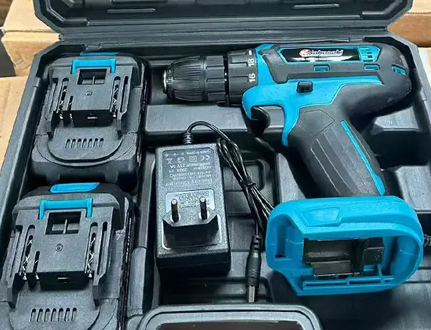
Ningbo Yangyi Import and Export Co., Ltd. is renowned for producing electric drills that combine power, durability, and user-friendly design, making them a top choice for metalworking professionals and hobbyists alike.
Their high-power electric drill models, with motors rated at 800W or more, deliver the strength necessary to penetrate hard metals efficiently. These drills feature robust gear systems, reinforced housings, and advanced cooling mechanisms to prevent overheating during intensive drilling.
The ergonomic design of Yangyi drills reduces hand fatigue during prolonged use, and their variable speed control allows for precise operation tailored to metal’s demands. With compatibility for a variety of hardened alloy drill bits, these drills are versatile tools for metalworkers of all levels.
For users who prioritize portability without sacrificing power, Yangyi’s 21V brushless impact drill stands out as an excellent cordless option. Brushless motors offer enhanced efficiency and longer lifespan compared to brushed alternatives, delivering powerful torque even at lower speeds essential for metal drilling.
This model’s compact, lightweight design makes it ideal for tight spaces and mobile applications, such as construction sites or maintenance work, where a power cord might be impractical.
The brushless impact drill features variable speed and torque control, allowing users to fine-tune the settings for various metals — from thin sheets to thick steel plates. The combination of brushless technology and impact function improves drilling performance and bit longevity, making it suitable for demanding metalworking tasks.
Even the best electric drill can deliver subpar results without the right technique and preparation. Follow these expert tips to ensure smooth, accurate drilling on metal surfaces:
Drilling metal produces significant friction, causing heat buildup that can quickly damage drill bits and degrade hole quality. Applying cutting oil or a suitable lubricant to the drill bit and work surface reduces friction, improves bit lifespan, and results in cleaner holes.
Lubricants also help remove metal shavings from the hole, preventing clogging and bit binding. It’s recommended to reapply lubricant regularly during prolonged drilling tasks, especially when working on harder metals such as stainless steel or cast iron.
Maintain a slow, steady speed rather than pushing the drill too hard or fast. High speeds generate excessive heat and can cause the bit to dull or break.
Apply consistent, moderate pressure that lets the drill do the work without forcing it. This approach prevents overheating and bit wandering, yielding more precise holes.
Choosing the proper drill bit type and size is essential. Use:
High-speed steel (HSS) bits for general metal drilling.
Cobalt alloy bits for drilling harder metals and extended bit life.
Titanium-coated bits for better heat resistance.
Also, prefer drill bits with a 135-degree split point angle, as this design reduces bit walking and improves accuracy on metal surfaces.
Clamp or securely fix the metal piece before drilling. Movement can cause the bit to slip or create uneven holes, risking injury or damage.
Using a vice or sturdy clamps provides stability and helps maintain precision throughout the drilling process.
Metal shavings can accumulate quickly during drilling, clogging the bit and increasing friction. Periodically withdraw the drill bit to clear debris, allowing better cutting action and preventing overheating.
Drilling metal requires a specialized electric drill that offers high power, precision, and durability. Key features like an 800W or higher motor, compatibility with alloy steel bits, and variable speed with high torque at low speeds are crucial for successful metal drilling.
Ningbo Yangyi Import and Export Co., Ltd. provides electric drills tailored to meet these needs, including their robust high-power electric drills and versatile 21V brushless impact drills. These models combine strength, control, and ergonomic design to help professionals and DIY enthusiasts tackle metal projects efficiently.
Remember to complement your drill with proper techniques—using cutting oil, selecting the right bits, drilling at controlled speeds, and securing your workpiece—to achieve the best results.
For more information on selecting the ideal electric drill for metal and to explore Yangyi’s full range of powerful, reliable tools, visit yangyitools.com. Equip yourself with the right electric drill and make your metal drilling tasks safer, faster, and more precise.


