
Views: 0 Author: Site Editor Publish Time: 2025-11-19 Origin: Site


Maintaining vegetation in mountainous or uneven landscapes presents a unique set of challenges. Slopes, rocks, and irregular surfaces make it difficult for standard lawn mowers or trimmers to perform effectively. This is where a Brush Cutter becomes an essential tool. Designed for power, stability, and versatility, brush cutters are capable of handling thick grass, shrubs, and even small trees on terrains that would otherwise be inaccessible.
This article explores the best practices for using brush cutters in hilly or rugged areas, including safety measures, techniques for efficient cutting, maintenance tips, and the advantages of selecting the right model for challenging environments.
Brush cutters are built with robust engines and heavy-duty blades capable of cutting through dense vegetation. Unlike string trimmers, they are not limited to light grass but can also handle woody shrubs and overgrown weeds. In mountainous regions where vegetation grows unevenly and slopes are steep, their cutting power ensures smooth and consistent results.
Traditional mowing machines struggle with steep inclines because of balance and traction limitations. Brush cutters, especially shoulder-strap or backpack-mounted types, distribute weight evenly and provide greater operator control. This allows users to move easily across uneven ground, rocky areas, and steep slopes without compromising safety.
Mountain terrains often have mixed vegetation — from soft grasses at lower slopes to thick shrubs and bamboo near rocky ridges. With interchangeable blades and attachments, brush cutters can be adjusted for different cutting needs. For example:
Metal blades for thick brush or woody weeds
Nylon lines for lighter vegetation
Circular saw blades for bamboo or saplings
This adaptability makes brush cutters versatile for any terrain management task.
Before starting, carefully survey the area. Identify potential hazards such as large rocks, hidden tree stumps, loose soil, or holes. These obstacles not only damage equipment but also pose serious risks to the operator. Mark or clear them before cutting.
For steep terrains, note the direction of slope and plan your cutting pattern accordingly to prevent slipping or fatigue.
Selecting the correct brush cutter model is essential for effective and safe operation.
Terrain Type | Recommended Brush Cutter | Features to Look For |
Steep slopes or hilly terrain | Backpack or shoulder-mounted cutter | Lightweight, stable balance, anti-vibration design |
Rocky or uneven surfaces | Straight-shaft cutter | Durable shaft, high torque engine |
Dense vegetation or small trees | Metal blade or saw blade attachment | Powerful engine (≥40cc), strong guard protection |
Mixed terrain | Multi-functional cutter | Quick-change head system, ergonomic handle |
A 2-stroke or 4-stroke engine with strong torque output ensures smooth cutting even in thick growth. Models with anti-vibration handles and adjustable straps reduce operator fatigue during long hours of work.
Safety is non-negotiable when operating a brush cutter in challenging terrain. Essential safety gear includes:
Helmet with face shield or safety goggles
Ear protection (noise-cancelling earmuffs)
Long-sleeved protective clothing
Non-slip gloves
Steel-toed boots with firm ankle support
Harness or shoulder strap for balance
Before operation, check that:
The blade or cutting head is securely attached.
The fuel cap is tight and there are no leaks.
The throttle and stop switch work properly.
The harness fits snugly without restricting movement.
When cutting on hills, it’s safer to move horizontally across the slope rather than up and down. This technique improves balance and reduces the risk of slipping. For very steep slopes, work from the top downward in stages, clearing a few feet at a time.
Always maintain a firm stance with both feet planted securely. Avoid leaning too far forward or backward, as this can cause loss of control.
Brush cutters are powerful tools—excessive swinging or sudden movements increase the risk of blade kickback or imbalance. Use smooth, steady sweeps, letting the cutter’s power do the work instead of forcing it.
When using metal blades, avoid contact with rocks or hard surfaces. Not only can this damage the blade, but it can also cause dangerous recoil.
In mountainous terrains, ground surfaces vary greatly. Adjusting your cutting height helps protect the blade from striking hidden objects. For tall, dense vegetation, make a two-pass cut—first trim the top layer, then cut closer to the ground for a clean finish.
In heavily overgrown areas, divide the land into sections and cut gradually. This controlled approach prevents engine overload and gives you time to manage debris. It also improves visibility, reducing the chance of hitting obstacles.
Keep both hands firmly on the handle. The ideal cutting angle is slightly downward, allowing gravity to assist your movement. Maintain straight posture, bending your knees slightly rather than your back to reduce strain.
If using a shoulder or backpack brush cutter, adjust the strap length to keep the machine balanced at waist height.
Operating on slopes adds physical demands and safety risks. Follow these guidelines to prevent accidents:
Never operate when tired or in wet conditions – Wet grass and soil increase the risk of slipping.
Clear bystanders from the area – Maintain a safety radius of at least 15 meters.
Use protective guards – Always keep the debris shield attached to deflect stones or branches.
Avoid steep slopes beyond safe angles – If you can’t maintain footing without support, use manual cutting tools instead.
Check footing constantly – Step only on stable surfaces, especially when repositioning.
Shut off the engine before moving obstacles or adjusting equipment.
Fuel only on level ground and away from open flames.
Adhering to these safety protocols not only prevents injuries but also prolongs the lifespan of your equipment.
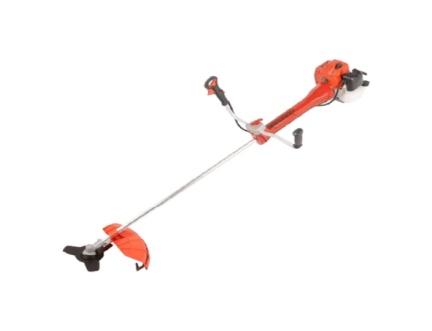
Mountain terrains expose brush cutters to dust, moisture, and uneven stress. Regular maintenance keeps your machine reliable and extends its service life.
Wipe down the cutter to remove dirt, grass, and debris.
Inspect the blade for chips or cracks; sharpen or replace if needed.
Clean air filters to prevent clogging and engine overheating.
Check fuel lines and connections for leaks.
Lubricate moving joints, bearings, and the drive shaft.
Tighten all bolts and screws loosened by vibration.
Examine the cutting head for balance; imbalance causes excessive vibration.
Drain and replace fuel if stored for more than two weeks.
Before storing your brush cutter for long periods:
Empty the fuel tank completely.
Clean and oil metal parts to prevent corrosion.
Store the cutter in a dry, well-ventilated place.
Cover the engine and cutting head to protect against dust.
A well-maintained brush cutter can last for years, even under tough working conditions.
Problem | Possible Cause | Solution |
Engine won’t start | Old fuel, dirty spark plug | Replace fuel, clean or replace spark plug |
Excessive vibration | Unbalanced blade or loose bolts | Tighten bolts, replace or balance blade |
Poor cutting performance | Dull blade | Sharpen or replace with proper type |
Engine overheating | Clogged air filter | Clean or replace filter |
Uneven cutting | Incorrect technique or ground irregularities | Adjust stance, cutting angle, or blade height |
Regular checks prevent small issues from becoming costly repairs.
Using a brush cutter in mountainous areas not only improves land aesthetics but also supports environmental balance. Regular vegetation control:
Reduces the risk of wildfires by clearing dry, flammable grass.
Prevents invasive weeds from overtaking native plants.
Improves accessibility for farming, hiking, and other outdoor activities.
Protects soil from erosion by allowing selective trimming instead of full clearing.
Additionally, brush cutters use less fuel and produce fewer emissions compared to large tractors or mowers, making them an eco-friendly option for sustainable land management.
Working on mountainous or uneven terrains requires both the right technique and reliable equipment. A brush cutter offers the power, stability, and adaptability needed to manage tough vegetation in areas where traditional machines cannot perform.
By following the best practices outlined above—selecting the appropriate cutter type, maintaining a safe working posture, adhering to safety measures, and performing regular maintenance—you can achieve efficient results while ensuring operator safety and equipment longevity.
For users seeking high-quality, durable brush cutters designed specifically for challenging terrains, Ningbo Yangyi Import and Export Co., Ltd. provides a variety of professional-grade models built for reliability, comfort, and efficiency. Their products combine powerful engines, ergonomic design, and advanced safety features—ideal for both agricultural and landscaping use.
You can visit or contact Ningbo Yangyi Import and Export Co., Ltd. to learn more about their brush cutter options and find the best solution for your terrain maintenance needs.


