
Views: 0 Author: Site Editor Publish Time: 2025-11-05 Origin: Site


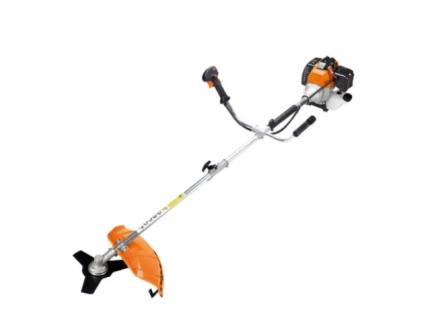
A brush cutter is an essential tool for anyone managing overgrown grass, dense weeds, or small shrubs, bridging the gap between a lawn mower and a chainsaw. Its ability to handle heavy-duty clearing tasks makes it invaluable for professional landscapers, agricultural workers, and home gardeners alike. However, even the most robust brush cutter can lose efficiency if the blades become dull or improperly maintained. Dull blades tear rather than cut, increasing engine strain, fuel consumption, and overall wear. Understanding proper maintenance and sharpening techniques ensures consistent cutting performance, improved fuel efficiency, and a longer lifespan for your equipment.
Before diving into sharpening, it’s crucial to understand why blade sharpness matters:
Efficient Cutting: Sharp blades slice through thick grass and brush cleanly, reducing resistance and making the job quicker.
Fuel and Power Savings: Dull blades force the engine to work harder, consuming more power and fuel.
Longer Equipment Life: Reduced strain on the motor, gearbox, and shaft extends the overall lifespan of your brush cutter.
Cleaner Cuts, Healthier Plants: A sharp blade produces clean cuts, minimizing plant damage and promoting faster regrowth.
Regular sharpening ensures your brush cutter operates efficiently, saves time, and delivers consistent cutting results.
Knowing when to sharpen your blade is key to maintaining performance. Common signs include:
The cutter seems to tear grass instead of slicing it.
You need to apply more force while cutting.
The engine overheats or vibrates more than usual.
You see visible nicks or dents on the blade edge.
As a general rule, blades should be sharpened after every 20–25 hours of heavy use, or whenever you notice reduced cutting efficiency.
Sharpening a brush cutter blade involves working with sharp metal edges and power tools, which can pose serious safety risks if not handled correctly. Whether you are a professional landscaper or a homeowner maintaining your equipment, following strict safety guidelines is essential. Before starting any sharpening work, take the time to prepare your workspace and yourself properly.
Here are some key safety precautions to observe:
Disconnect the power source: Always make sure the cutter cannot accidentally start while you’re working on it. For gasoline-powered brush cutters, remove the spark plug to completely cut off ignition. For electric or battery-powered models, unplug the power cord or remove the battery pack. This simple step can prevent unexpected accidents caused by sudden blade movement.
Wear protective gear: Equip yourself with the right personal protective equipment (PPE). Thick safety gloves protect your hands from sharp edges, while safety goggles shield your eyes from flying metal filings or debris. A long-sleeved shirt and sturdy footwear add extra protection against accidental cuts or burns from grinding sparks.
Work in a stable, well-lit area: Choose a clean, flat workspace with sufficient lighting. Avoid cluttered environments where tools might slip or fall. Proper lighting allows you to maintain the correct sharpening angle and prevents mistakes.
Secure the cutter firmly: Always stabilize your brush cutter before removing or sharpening the blade. Use a vise or clamp to hold the tool in place, ensuring that it does not move unexpectedly during the process. A stable setup allows for precise sharpening and reduces the risk of injuries.
Handle the blade carefully: Even when dull, the blade edges can still cause serious cuts. When removing or reinstalling the blade, grip it from the center rather than the sharp edges. Wrap the blade in a rag or towel if necessary to protect your hands.
Avoid distractions: Stay focused on the task. Do not sharpen blades when tired, distracted, or under the influence of alcohol or medication that can affect concentration.
Taking these precautions helps prevent injuries, ensures a safe working environment, and allows you to focus fully on achieving a professional-quality sharpening result.
Before you can sharpen your brush cutter blade, it must be removed from the cutter head. This ensures better access, precision, and safety during the sharpening process. Follow these steps carefully:
Lay the brush cutter on a flat surface. Make sure the machine is completely turned off and stable.
Insert the locking pin or a screwdriver through the blade guard or shaft hole to keep the blade from rotating.
Loosen the retaining nut using the correct wrench or socket tool. Turn it counterclockwise to remove it.
Gently lift the blade off the spindle, taking note of its orientation and any washers or spacers used in mounting.
Inspect the blade area for grass buildup, rust, or wear before reinstallation.
Always check the user manual for your specific brush cutter model, as designs vary. Some brush cutters use multiple blades or specialized cutting systems that require different removal methods. Keeping track of the parts and their orientation will make reassembly easier and safer later on.
Having the right tools on hand makes the sharpening process easier, more precise, and less time-consuming. Depending on your blade condition and personal preference, you can use either manual or powered tools.
Tool Type | Description | Best For |
Flat File | A basic hand tool used for manually sharpening edges at a controlled pace. | Mildly dull blades or light touch-ups. |
Bench Grinder | A stationary electric grinder with a rotating wheel for fast material removal. | Severely dull or nicked blades. |
Angle Grinder | A portable electric tool with a grinding or flap disc, great for on-site maintenance. | Quick edge restoration in the field. |
Sharpening Stone (Whetstone) | Used to refine and smooth the edge after filing or grinding. | Fine-tuning the cutting edge for precision. |
Balancing Tool | Checks for equal weight distribution after sharpening. | Prevents vibration and uneven wear. |
If you’re a beginner, start with a flat file or sharpening stone, as they allow better control and reduce the risk of overheating or grinding away too much material. Experienced users handling large workloads may prefer a bench grinder or angle grinder for efficiency.
Look for cracks, deep dents, or excessive wear. If the blade is severely damaged or thin, replacement may be safer than sharpening.
Remove dirt, sap, and rust using a wire brush or mild detergent. Dry the blade completely before sharpening.
Place the blade securely in a vise.
Use a flat file to follow the original cutting angle, typically between 30°–45°.
Stroke in one direction away from you, applying even pressure.
Repeat until the edge feels sharp and smooth.
If using an angle grinder, maintain the same sharpening angle and avoid overheating the metal — overheating can weaken the blade.
Ensure both sides of the blade have the same sharpness and angle. Uneven edges cause imbalance, leading to vibration and motor strain.
Use a fine-grit sharpening stone to smooth out any rough edges or burrs along the blade.
After sharpening, check the blade’s balance by suspending it on a nail or balance tool. If one side dips lower, file off a bit more from the heavier side.
Reattach the blade in the same orientation as before. Tighten the retaining nut securely, and remove any locking tools before testing.
Before you start full-scale work:
Run the brush cutter at low speed first to ensure it runs smoothly.
Listen for unusual vibrations — if you hear rattling, stop and rebalance the blade.
Test-cut a small patch of grass or brush. The blade should slice cleanly without resistance.
If cutting performance improves and vibration is minimal, your sharpening was successful.
Proper maintenance can extend blade sharpness and overall tool life. Here are essential care tips:
Avoid hitting rocks or metal debris: These can instantly dull or chip the blade.
Clean after every use: Remove stuck grass, sap, and dirt to prevent corrosion.
Lubricate the blade lightly: Use a rust-preventive oil coating for storage.
Check the blade balance periodically: Especially after long use or accidental impacts.
Store in a dry place: Moisture leads to rust, dulling, and degradation of metal quality.
Routine care ensures consistent performance and reduces the frequency of sharpening.
Many users unintentionally damage their blades by improper sharpening. Avoid these common errors:
Over-sharpening: Making the edge too thin increases the risk of chipping.
Incorrect angle: Altering the factory edge angle changes the cutting efficiency.
Ignoring balance: An unbalanced blade causes vibration and wear on the shaft bearings.
Using excessive pressure: This can overheat the metal, reducing its hardness.
Skipping cleaning: Dirt and rust can interfere with sharpening accuracy.
Paying attention to these details ensures both safety and blade longevity.
Maintaining sharp blades and performing regular upkeep are crucial for achieving consistent performance, energy efficiency, and equipment longevity with your brush cutter. By combining daily cleaning, periodic inspections, proper sharpening, and seasonal storage, operators can maximize cutting efficiency and extend the life of their tools. For those seeking high-quality, durable brush cutters and replacement blades designed for professional and home use, Ningbo Yangyi Import and Export Co., Ltd. offers a comprehensive range of reliable equipment and accessories. Visit their official website to explore products and discover solutions that enhance performance, ensure safety, and provide long-term value for all your landscaping and agricultural needs.
优化特点:


