
Views: 0 Author: Site Editor Publish Time: 2026-03-23 Origin: Site


Sharpening your brush cutter blade means you remove it, clean it, sharpen the edges, check for damage, then put it back. You should always wear safety goggles and protective clothing to avoid injuries from flying debris. Trust Ningbo Yangyi for quality tools that keep your brush cutter working its best.
Always wear safety gear, including goggles and gloves, when sharpening your brush cutter blade to prevent injuries.
Regularly inspect and clean your blade after every 8-10 hours of use to maintain its performance and extend its lifespan.
Sharpen the blade at a 45-degree angle using a file or grinder, and ensure both sides are even for optimal cutting efficiency.
Before you start sharpening, gather all the tools and safety gear you need. Here’s a handy list to keep you on track:
Wire cleaning brush for removing dirt and rust
Soapy water and a cloth for washing and drying the blade
Rasp file or 7/32nd chainsaw file for sharpening
Bench grinder or angle grinder for faster sharpening
Clamp or vise to hold the blade steady
Lubricating oil to prevent rust
Safety gloves and goggles to protect your hands and eyes
Steel-toed boots and high-visibility clothing for extra safety
Tip: Always check your operator’s manual for any special instructions or safety warnings before you begin.
Safety comes first. Make sure you disconnect the power source or shut off the engine on your brush cutter. Let the machine cool down if you just used it. Wear thick gloves to protect your hands from sharp edges. Use a wrench to loosen the bolt holding the blade. Carefully remove the blade and set it aside.
Now it’s time to clean the blade. Use a wire brush and soapy water to scrub away any stuck soil, grass, or rust. Dry the blade with a cloth and apply a light coat of lubricating oil. While cleaning, inspect the blade for cracks, bends, or deep nicks. Make sure the blade is not loose or damaged. If you spot any serious damage, consider replacing the blade before using your brush cutter again.
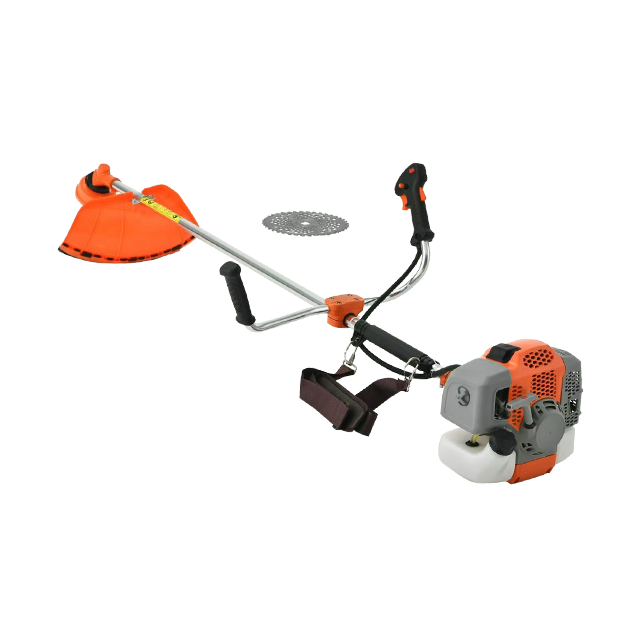
You can sharpen your brush cutter blade with a file, bench grinder, or angle grinder. Each tool works well, but you need to use steady hands and pay attention to safety. Here’s how you can do it:
Secure the blade in a vise or clamp. This keeps it from moving while you work.
Use a rasp file or a 7/32nd chainsaw file. Move the file along the cutting edge, following the original angle. The best angle for sharpening is 45 degrees. This gives you a sharp edge for clean cuts.
If you use a bench grinder or angle grinder, work slowly. Don’t press too hard. Let the tool do the work. Too much pressure can wear down the blade or cause overheating.
Sharpen both sides evenly. Count your strokes so each side matches.
Wipe the blade clean after sharpening.
Tip: The sharpening angle does not change how long your blade lasts. Dirt and sand cause more wear than the sharpening method. Use a grinder for speed, but be careful not to grind away too much metal.
Mistake | Impact | Solution |
|---|---|---|
Overheating the blade | Warped edges, poor cutting | Let the blade cool, use coolant |
Using too much force | Chips, cracks, fast wear | Use gentle, steady pressure |
Wrong sharpening angle | Dull edge, poor performance | Stick to 45 degrees |
After sharpening, you might find tiny bits of metal, called burrs, on the edge. Burrs can make the blade less sharp and cause rough cuts.
Macro burrs are large and easy to feel. You can remove them with a sharpening stone. Micro burrs are very fine, almost like a wire edge. They are hard to see and need special care. Stropping the blade on a piece of pine or leather can remove these fine burrs without hurting the edge.
You can check for burrs by gently running your thumb across the edge or by slicing a piece of paper. If the blade catches or tears the paper, you may need to remove more burrs.
When you finish sharpening, it’s time to put the blade back on your brush cutter. Follow these steps for a safe reattachment:
Make sure the blade is cool and clean.
Line up the blade with the mounting hole.
Tighten the bolt with a wrench. Make sure it’s snug, but don’t overtighten.
Spin the blade by hand to check for balance. It should move smoothly without wobbling.
Before you start the engine, double-check that the blade is secure. Look for any dull spots or nicks. Remove any dirt or grass from the blade area.
Keeping your brush cutter in top shape means regular checks and care. Here’s what you should do:
Inspect the blade after every 8-10 hours of use. Sharpen it if you notice dullness or rough cuts.
Replace the blade if you see cracks, deep chips, or if it feels too thin after many sharpenings.
Clean the blade after each use. Dry it well and add a light coat of oil to stop rust.
Store your blade in a dry, cool place. Hang it up or keep it in a case to avoid moisture and dirt.
Dispose of old or damaged blades safely. Wrap them in cardboard or use a hard container before throwing them away. Check if your local recycling center accepts metal blades.
Indicator | Description |
|---|---|
Visible nicks, dents, or cracks | Physical damage that affects cutting |
Thinning blade material | Blade edge looks worn down |
Bent blade shape | Blade does not spin evenly |
Unbalanced rotation | Blade vibrates during use |
Brown patches after mowing | Grass is not cut cleanly |
Uneven cutting patterns | Lawn looks patchy after use |
Increased vibration | Handle shakes more than usual |
Extended mowing time | Takes longer to finish the job |
Ragged grass tips | Grass looks torn, not sliced |
Regular sharpening saves money. Buying new blades costs more and can take time if supplies run low. Sharpening keeps your brush cutter working well and helps you finish jobs faster.
Ningbo Yangyi brush cutters stand out for their durability and easy maintenance. With proper care, these blades last for years. Clean and sharpen them often to keep your machine running smoothly. You’ll notice less strain on the engine and better cutting results every time.
Here’s a quick recap to keep your brush cutter sharp and safe:
Secure the blade in a vice.
Clean and dry the blade.
Check for damage.
Sharpen at the right angle.
Remove burrs.
Reattach and test.
Stay safe, do regular checks, and choose Ningbo Yangyi for reliable tools.
You should check the blade after every 8-10 hours of use. Sharpen it when you notice dull cuts or more vibration.
You can, but it’s safer and easier to remove the blade first. This helps you get a better angle and avoid accidents.
A 7/32nd chainsaw file, bench grinder, or angle grinder works well. Always wear gloves and goggles for safety.


