
Views: 0 Author: Site Editor Publish Time: 2026-01-06 Origin: Site


Electric drills are vital tools in both professional and DIY projects. However, without proper maintenance, their performance can degrade over time.
In this article, we’ll explore how to extend the life of your electric drill. You’ll learn practical steps to clean, lubricate, and inspect essential components to ensure consistent performance.
By following these simple maintenance tips, you’ll ensure that your electric drill remains reliable and efficient for years to come.
| Task | Frequency | Notes |
|---|---|---|
| Clean ventilation slots with air | After each use | Prevents overheating by ensuring proper airflow. |
| Wipe exterior with a damp cloth | After each use | Removes dirt and grease, ensuring smooth operation. |
| Clean internal parts with air | Weekly or bi-weekly | Helps maintain motor performance and prevent clogs. |
| Clean the chuck and moving parts | Monthly | Lubricates parts and prevents wear from friction. |
Proper cleaning is the first and most important step in maintaining your electric drill. After each use, dust, sawdust, and other debris can accumulate on both the exterior and inside the motor. Over time, these particles can affect the motor's performance, leading to overheating or malfunction. Cleaning the drill regularly ensures that dust and debris don’t cause long-term damage.
Key cleaning tasks include:
Use a soft brush or compressed air to remove dust from the ventilation slots. These slots are crucial for cooling the motor during operation, and a clogged vent can cause the motor to overheat.
Wipe down the exterior of the drill with a slightly damp cloth to remove dirt, grease, and grime. Ensure that no moisture enters the drill’s electrical components to prevent short circuits.
Clean the drill’s internal parts (if possible) using compressed air to ensure airflow remains unobstructed. This will help keep the motor cool and maintain its performance.
The chuck, which holds your drill bit, is often exposed to dust, debris, and other particles. If not cleaned regularly, these contaminants can cause bits to slip or even wear down the chuck mechanism. This can lead to reduced precision and can affect the overall performance of the drill.
To maintain smooth operation:
Open the chuck and remove any debris that may have gotten stuck inside. This will prevent clogs and ensure that bits stay secure during use.
Apply a small amount of lubricant to the chuck’s moving parts to reduce friction. Lubrication helps in maintaining smooth rotation and prevents unnecessary wear.
Periodically check for rust or wear on the chuck mechanism. If you notice any damage, replace the chuck to avoid further performance issues.
| Task | Recommended Action | Frequency | Notes |
|---|---|---|---|
| Charge battery correctly | Avoid full discharge; charge at 20-30% capacity | After each use | Ensures longevity of the battery. |
| Avoid overcharging | Unplug battery once fully charged | Every time | Prevents excessive heat buildup that can degrade battery life. |
| Store battery properly | Store in a cool, dry place and remove from drill for long-term storage | When not in use | Helps prevent leakage or corrosion. |
| Inspect for damage (swelling, leakage) | Check battery condition for wear or damage | Monthly or as needed | Replace immediately if issues are found to avoid malfunctions. |
The battery is one of the most critical components of a cordless electric drill. Improper charging can shorten its lifespan, reduce its performance, and even damage the cells inside. To maintain your drill’s battery health, it’s important to follow these charging guidelines:
Avoid fully discharging the battery before recharging. Lithium-ion batteries work best when recharged at about 20-30% capacity rather than waiting for them to drain completely.
Always use the charger provided by the manufacturer. Third-party chargers may not be compatible and can potentially damage the battery.
Avoid overcharging. Once the battery reaches full charge, unplug it to prevent excessive heat buildup. Overcharging can significantly decrease battery life over time.
Proper storage is just as important as charging when it comes to maintaining battery health. Storing your battery improperly can lead to performance issues and a reduced lifespan. To maximize your battery’s efficiency, follow these storage and inspection tips:
Store your battery in a cool, dry place when it’s not in use. Excessive heat or cold can damage the battery cells, reducing their capacity and efficiency over time.
Regularly inspect the battery for signs of swelling, leakage, or corrosion. If you notice any of these, replace the battery immediately to prevent damage to the tool and other components.
If storing the drill for an extended period, it’s a good idea to remove the battery. This will help prevent potential leakage or internal damage.
The chuck plays a critical role in securing drill bits, but over time, it may experience wear and tear due to constant use. Regular inspection and lubrication can prevent issues that may affect its performance.
To maintain your chuck:
Check it for any wear, rust, or debris that could interfere with its operation. If the chuck becomes worn or rusted, it may not hold the drill bit securely, which can lead to accidents or imprecise drilling.
Apply a small amount of lubricant to the chuck’s moving parts using a light machine oil. This reduces friction and ensures smooth operation.
Tighten any loose components to ensure that bits stay secure during operation, preventing accidents from bits falling out unexpectedly.
Carbon brushes are vital to the function of the motor in your electric drill. Over time, carbon brushes naturally wear down, and when they do, they can cause reduced power, increased sparking, or even motor failure. Regular inspection and timely replacement of the carbon brushes can keep your drill running smoothly.
To check the carbon brushes:
If you notice sparking around the motor or a reduction in power, it may be time to replace the carbon brushes.
Always replace the brushes in pairs. Replacing them in pairs ensures balanced motor performance, preventing one worn brush from negatively affecting the drill’s motor.
Use only manufacturer-approved brushes to ensure compatibility and proper functionality.
Proper storage of your electric drill is crucial to maintaining its longevity. When stored incorrectly, extreme temperatures, moisture, or dust can cause rust, corrosion, and other forms of damage. Follow these storage guidelines to keep your drill in top condition:
Store your electric drill in a dry, cool location. Avoid direct exposure to sunlight or heat sources, which can damage both the battery and the drill itself.
If possible, place the drill in its original case or a dedicated tool storage box. This helps protect it from physical damage and dust accumulation.
Electric drills, especially cordless models with lithium-ion batteries, require proper storage to prevent internal damage, battery leakage, and corrosion. Follow these storage tips to protect your drill:
Remove the battery during long periods of storage. This will prevent leakage or corrosion, ensuring the battery remains functional when needed.
Store the drill in a protective case or cover to keep it free from dust, dirt, and moisture. This is especially important in humid environments where corrosion can occur quickly.
Tip: Taking simple steps to protect your drill during storage can help avoid repairs and prolong its life, saving you money in the long run.
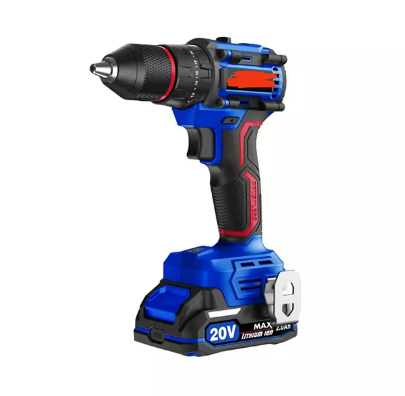
Certain parts of your electric drill, such as the drill bits and chuck, are subject to significant wear and tear over time. Regular inspection of these parts ensures that your drill continues to operate at peak efficiency.
Inspect the drill bits regularly for signs of dullness, chips, or damage. If the bit is worn out or damaged, replace it immediately to maintain the quality of your work.
Check the chuck for rust or wear. If the chuck can no longer securely hold the drill bit, it may need to be replaced.
Monitor the battery’s performance. If it no longer holds a charge or discharges quickly, replace it with a new one to maintain consistent performance.
The motor is the heart of your electric drill, and its components, such as the bearings and gears, can wear out over time. Regular inspections of the motor ensure that any damage is caught early before it causes a major malfunction.
Inspect the motor’s components regularly, checking for wear or signs of failure. If you notice any issues, follow the manufacturer’s guidelines to replace the damaged parts.
Be cautious when replacing motor components. Improper replacement could lead to further damage or reduced motor efficiency.
A cluttered or dirty workspace can lead to unnecessary wear and tear on your electric drill. Dust, dirt, and debris can accumulate in the drill’s moving parts, causing it to overheat or operate less efficiently.
Keep your workshop clean by using dust collection systems to minimize the accumulation of harmful dust and debris. Ensure your workspace is well-ventilated to avoid heat buildup.
Store your tools in an organized manner to avoid accidental damage, and keep your workspace free from unnecessary clutter.
Maintaining your electric drill ensures its reliability and performance over time. Regular cleaning, inspections, and part replacements help extend its life, improve efficiency, and prevent costly repairs. Whether you're a professional contractor or a DIY enthusiast, a well-maintained drill allows for safer, more effective work. Establishing a routine maintenance schedule ensures your drill performs optimally, maximizing your investment.
For high-quality tools and reliable service, Ningbo Yangyi Import and Export Co., Ltd. offers products that provide lasting value and performance for both professional and personal projects.
A: Regularly clean your electric drill, lubricate moving parts, and inspect key components like the chuck and motor. Proper battery care and periodic part replacements also help extend its lifespan.
A: Proper maintenance ensures your electric drill remains reliable, performs at its best, and prevents costly repairs. It extends the drill’s life and reduces the chances of unexpected breakdowns.
A: Clean your electric drill after each use. Regular cleaning helps prevent dust buildup that can cause overheating and damage internal parts, ensuring optimal performance.
A: To maximize battery life, avoid overcharging, store the battery in a cool, dry place, and charge it at 20-30% capacity. Regularly inspect the battery for any damage or corrosion.
A: Yes, regularly inspect and replace worn parts like drill bits, chuck, and carbon brushes. Replacing damaged components ensures your electric drill continues to function properly.


