
Views: 0 Author: Site Editor Publish Time: 2026-01-13 Origin: Site


When it comes to tackling home projects or professional tasks, an electric drill is one of the most essential tools. But which is better for your needs: a corded or cordless electric drill? Both have their pros and cons, and understanding these differences is key to making the right choice.
In this article, we'll explore the major distinctions between these two types of drills. You'll learn about their power, performance, cost, and suitability for various tasks. By the end, you’ll know which electric drill is best for your projects.
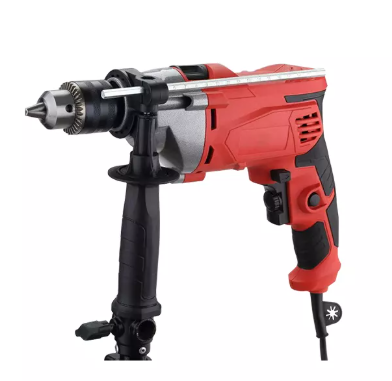
| Feature | Corded Electric Drill | Cordless Electric Drill |
|---|---|---|
| Power Source | Electrical outlet (continuous power) | Rechargeable battery |
| Torque | High and consistent | Can decrease as the battery drains |
| RPM (Rotational Speed) | Steady and high throughout use | Can drop as battery power decreases |
| Runtime | Unlimited (as long as plugged in) | Limited by battery life |
| Best For | Heavy-duty tasks, long-duration drilling | Light tasks, mobility, and flexibility |
| Cost | Generally lower upfront cost | Higher initial cost (due to battery) |
| Maintenance | Low, minimal maintenance | Requires battery care and replacement |
| Portability | Limited by the cord | High, easy to move around |
A corded electric drill is a power tool that runs on electricity delivered directly from an outlet via a cord. This constant power source allows the drill to run without interruption, making it ideal for long-duration tasks.
The primary benefit of corded electric drills is their ability to provide a steady, continuous power output, which makes them perfect for heavy-duty applications such as drilling into concrete, metal, or thick wood. These drills are commonly used by professionals working in construction, industrial settings, and workshops where a reliable, uninterrupted power supply is essential.
Additionally, corded drills are typically more affordable than cordless models because they don’t require rechargeable batteries or charging systems, lowering both initial costs and maintenance requirements.
Cordless electric drills, on the other hand, are powered by rechargeable batteries. These drills offer mobility, as they don’t require a power outlet to operate. Instead, they rely on battery power to perform a variety of drilling tasks.
Cordless drills are highly popular for their portability and ease of use in situations where outlets are hard to find or access. They are favored by DIY enthusiasts, electricians, and anyone working in tight spaces, as their compact design and freedom from power cords make them easier to maneuver.
Although cordless drills are more expensive upfront than corded ones due to the inclusion of batteries and charging systems, the convenience and flexibility they offer make them an essential tool for mobile applications.
The most significant difference between corded and cordless electric drills lies in their power and performance. Corded drills provide a constant, uninterrupted flow of power, which makes them ideal for heavy-duty applications. Whether you are drilling through dense materials like concrete or working on larger construction projects, the power of a corded drill is typically more reliable and efficient.
On the other hand, cordless drills offer great flexibility and portability, allowing users to work anywhere without worrying about finding a power outlet. However, as the battery drains, cordless drills may lose their power and torque, which can affect performance during longer tasks. Therefore, while cordless drills provide greater freedom, they may not be the best choice for tasks requiring consistent, long-lasting power.
Torque and rotational speed (RPM) are essential factors in determining the effectiveness of an electric drill. Torque refers to the turning force that the drill generates, while RPM indicates how fast the drill bit rotates.
Corded drills are known for their ability to maintain steady, high torque throughout the entire drilling process. This constant power is particularly beneficial when working with dense or tough materials, such as concrete or thick metal. In these situations, maintaining high torque is essential for efficient drilling.
Cordless drills, however, can suffer from power loss as their batteries begin to drain. While modern advancements in battery technology have improved the performance of cordless drills, they still can’t maintain the same level of consistent torque as corded drills. As a result, when performing heavy-duty tasks, corded drills are often the better choice.
One of the major advantages of corded drills is their unlimited runtime. Since they are powered directly by an electrical outlet, you never need to worry about running out of battery power. This makes corded drills ideal for long projects where continuous power is necessary, such as drilling through thick materials or working on large construction tasks.
Cordless drills, on the other hand, depend entirely on their battery life. The runtime of a cordless drill is limited by the battery’s charge, and the tool will need to be recharged or have the battery swapped once it runs out of power. While newer lithium-ion batteries have extended the operational time of cordless drills, they still cannot offer the same unlimited power supply that corded drills provide, especially during long, continuous use.
Corded drills are the go-to choice for heavy-duty tasks that require high torque and sustained power. For example, drilling into concrete or metal requires a consistent supply of power that only a corded drill can provide. The ability to maintain high power for extended periods makes corded drills perfect for large projects that demand performance over time.
Cordless drills, while excellent for lighter tasks, may not be able to handle heavy-duty applications as effectively. As the battery drains, the drill's torque decreases, making it harder to work with tougher materials or for extended periods. Therefore, for tasks that demand power and endurance, corded drills are generally a better option.
Cordless drills are famous for their portability. Without a cord restricting movement, users can take these drills to almost any location and work freely, making them perfect for tasks in places without electrical outlets. This mobility is especially useful for electricians, construction workers, and DIYers who need to work in tight or hard-to-reach spaces.
Additionally, cordless drills are lighter and more compact than corded drills, which enhances their maneuverability and ease of use. Whether working in small, confined areas or outdoors, cordless drills provide the flexibility to work without constraints.
While corded drills excel in power and performance, they are limited by the presence of a power cord. The need to stay connected to a power source restricts movement, making it challenging to work in large spaces or with materials that require mobility. Additionally, the cord can pose tripping hazards, especially when working in busy or cluttered environments.
For tasks that require frequent movement or working in areas where outlets are not easily accessible, a corded drill may not be the most practical option.
Corded drills are best suited for tasks that require consistent, high power over extended periods. For example, large construction projects, mixing cement, or drilling through thick materials benefit from the constant, uninterrupted power provided by corded drills. These drills are the preferred option for professionals who need reliable, long-lasting performance.
One of the key differences between corded and cordless drills is the initial cost. Corded drills are generally more affordable because they do not require batteries or chargers. The cost of a corded drill is primarily based on the power of the motor and the additional features, making them a cost-effective choice for those on a budget.
Cordless drills, however, are more expensive due to the inclusion of rechargeable batteries and the necessary charging equipment. While they offer the benefit of mobility and flexibility, the added cost of the battery system makes them a more significant upfront investment.
Cordless drills may incur additional long-term costs related to battery maintenance. Over time, rechargeable batteries degrade, reducing their ability to hold a charge. This means that you'll eventually need to replace the batteries, which can become an expensive ongoing cost, especially if you rely on multiple batteries to complete tasks.
Corded drills, however, typically have lower long-term costs. While you may need extension cords for larger areas, these tools have fewer parts that need replacing, and there is no ongoing cost for battery replacements. This makes corded drills more affordable over time.
Battery wear is one of the biggest challenges when using a cordless drill. Over time, the performance of the battery diminishes, and eventually, you’ll need to replace it. Although modern lithium-ion batteries have a longer lifespan than older models, the need for battery replacement can add to the long-term cost of owning a cordless drill.
Corded drills, on the other hand, have fewer parts that wear down. The motor and other components tend to last longer, as there is no battery to degrade over time. As long as the power cord remains intact, a corded drill can provide reliable service for many years.
Corded drills require minimal maintenance, mainly focusing on keeping the motor and other parts clean and free from dust. Some corded drills have carbon brushes that may need to be replaced after extensive use, but overall, these tools are relatively easy to maintain.
Cordless drills require more attention, particularly when it comes to battery care. To maximize battery life, it’s essential to avoid overcharging, store the battery properly, and perform regular maintenance on the tool. Battery care is a crucial aspect of keeping a cordless drill in good working condition.
Corded drills are generally more durable and have a longer lifespan compared to cordless drills. The lack of a battery means there are fewer components that degrade over time, leading to a more reliable tool for long-term use.
Cordless drills, while offering convenience, tend to have a shorter lifespan due to the wear on their batteries. If the battery is not properly maintained, the performance of the tool may decrease over time.
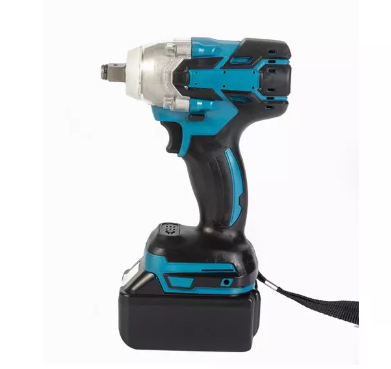
Corded drills are the best option when you need reliable, consistent power for demanding tasks. They provide unlimited runtime, which makes them ideal for long-term, heavy-duty projects where the job cannot be interrupted by a draining battery. For example, if you're working on large construction projects, drilling through concrete, or engaging in industrial tasks, a corded drill will maintain steady performance throughout the day. The constant power supply ensures that you can complete high-torque jobs without worrying about the tool losing power midway. Additionally, corded drills are built for durability, making them a dependable choice when you need a tool that can handle tough materials and continuous operation.
Moreover, if your work involves constant, repetitive drilling, such as mixing materials or assembling large structures, corded drills can provide the reliability and endurance necessary for such tasks. The absence of battery life concerns means that corded drills offer greater efficiency in professional settings, where performance and productivity are paramount.
A cordless drill is the better choice if mobility and flexibility are your top priorities. These drills provide the convenience of working in places where access to power outlets is limited or unavailable. Whether you're working on home improvement projects, small repairs, or outdoor tasks, a cordless drill allows you to work freely without the constraint of a power cord. This makes cordless drills particularly well-suited for DIY projects, as well as jobs that require moving around frequently, like drilling in tight or high-up spaces.
Cordless drills also shine in situations where ease of maneuverability is important. Their lightweight and compact design make them easier to handle, especially for people who may not need the raw power of a corded drill for smaller jobs. For example, when assembling furniture, hanging pictures, or drilling into drywall, a cordless drill offers a level of convenience that can't be matched by its corded counterpart.
Furthermore, modern cordless drills are equipped with advanced battery technology, providing impressive runtime that allows you to finish tasks without frequent recharging. For users who need a drill that can be used in various locations with minimal setup, the cordless option is a flexible and practical choice.
Choosing between corded and cordless electric drills depends on your specific needs. Corded drills are ideal for heavy-duty tasks requiring steady power and durability. In contrast, cordless drills offer portability and flexibility, making them perfect for lighter, more mobile tasks. For professionals and those with varying requirements, having both types can provide the best of both worlds: consistent power for demanding projects and mobility for smaller tasks.
For a wide range of high-quality tools, consider products from Ningbo Yangyi Import and Export Co., Ltd.. Their tools are designed to provide reliable performance and versatility for both professionals and DIY enthusiasts.
A: The main difference is the power source. A corded electric drill uses an electrical outlet for continuous power, while a cordless electric drill runs on rechargeable batteries, offering portability.
A: A corded electric drill is ideal for heavy-duty tasks. It provides consistent power, making it perfect for demanding projects like drilling into concrete or metal.
A: Yes, but for professional tasks requiring long hours of drilling, a corded electric drill is more reliable due to its continuous power. Cordless drills are better for lighter, flexible jobs.
A: The lifespan of an electric drill battery depends on usage and maintenance. Lithium-ion batteries typically last for several years, but they may need replacing after hundreds of charges.
A: Cordless electric drills offer mobility and convenience. They are perfect for tasks in tight spaces or outdoor jobs where access to power outlets is limited.
A: Generally, corded electric drills are more affordable upfront, as they don’t require expensive batteries or charging systems. However, cordless drills offer greater flexibility and portability.


