
Views: 0 Author: Site Editor Publish Time: 2026-01-20 Origin: Site


Have you ever wondered how professionals and DIY enthusiasts tackle tough tasks with ease? The secret often lies in the versatility of the electric drill. From drilling into wood to handling concrete, an electric drill is the ultimate tool for a wide range of jobs.
In this article, we will explore the common applications of electric drills, providing insights into their use across various materials. By the end, you'll learn how to maximize the potential of your electric drill for any task.
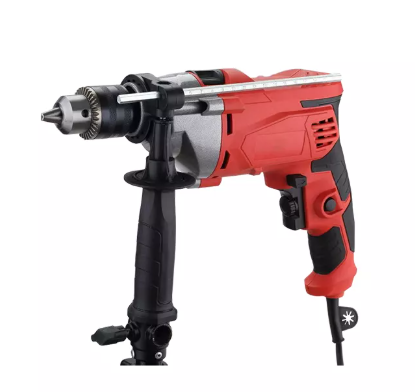
Electric drills are often used for drilling into wood, whether for furniture assembly, carpentry, or DIY projects. When drilling wood, using the right bit is crucial. Twist bits and spade bits are commonly used for wood, each designed for specific hole sizes and precision.
To prevent splintering, it's important to use the correct speed setting. A moderate speed will prevent the drill from damaging the wood, while keeping a steady feed will help ensure a smooth and clean cut. Additionally, a drill with variable-speed settings gives the user more control, which is especially useful when drilling into different types of wood.
The type of wood you are drilling into also plays a role. For example, drilling through hardwoods such as oak requires more power and a slower speed, while drilling through softer woods such as pine allows for faster drilling.
When drilling into metal, it's vital to use high-speed steel (HSS) or cobalt bits. These materials are designed to handle the heat generated from drilling metal surfaces. Unlike wood, metal requires a higher drill speed and steady pressure to ensure clean and efficient cuts.
To avoid damaging the drill bit or the metal itself, lubrication is recommended. Applying cutting fluid or oil helps reduce friction, keeping the drill bit cooler and extending its lifespan. Regular lubrication can also result in smoother, cleaner holes and a more efficient drilling process.
| Material | Recommended Drill Bit Type | Drill Speed | Lubrication | Additional Notes |
|---|---|---|---|---|
| Wood | Twist Bits, Spade Bits | Moderate to Slow | No lubrication needed | Use pilot holes for clean, accurate cuts. |
| Metal | High-Speed Steel (HSS), Cobalt Bits | Fast | Cutting fluid or oil | Lubrication prevents overheating. |
| Plastic | Special Plastic Drill Bits | Slow to Moderate | No lubrication needed | Ensure the bit is sharp to avoid cracking. |
| Concrete/Masonry | SDS Bits, Carbide-Tipped Bits | Slow to Moderate | No lubrication needed | Use a hammer drill for best results. |
Drilling into plastic requires a different approach compared to wood or metal. Plastics can melt or crack under excessive heat, so it’s essential to maintain a slower drill speed to minimize friction. Using a sharp drill bit and drilling at a slow speed helps prevent melting the plastic.
To avoid cracking, always ensure that the drill bit is sharp and clean. Dull bits can cause excessive heat buildup and force the plastic to crack, ruining your workpiece. Additionally, using a specialized bit for plastic will yield better results and reduce the risk of material damage.
When working with masonry or concrete, an electric drill alone won't suffice. A hammer drill combines the rotational motion of a standard drill with a hammering action, delivering a more forceful impact that breaks through tough materials like stone, brick, or concrete. This additional hammering action is essential for efficient masonry work.
Hammer drills equipped with SDS (Special Direct System) bits are the most effective for masonry tasks. These bits are designed to withstand the percussion motion, providing more efficient drilling without damaging the surface or the drill itself. The robust design of SDS bits ensures better performance and longer lifespan, making them ideal for hard materials.
There are various types of electric drills, but for concrete work, rotary hammers and hammer drills are the most suitable options. Rotary hammers offer even more powerful impacts, making them the right choice for drilling through large amounts of tough material. While hammer drills are better suited for smaller, less intense tasks, rotary hammers are designed for high-impact, heavy-duty work.
When selecting a drill for masonry work, look for features like adjustable speed settings, torque control, and ergonomic design. These features ensure that you can work for longer periods without fatigue while maintaining precision and control.
To avoid overheating and improve the longevity of your drill bits, make sure to use appropriate cooling methods. Dust extraction systems are also crucial for improving air quality and reducing the mess during drilling. These systems not only improve working conditions but also help prolong the life of the drill bits.
Taking regular breaks during intense drilling tasks allows the drill and bit to cool down, preventing potential overheating. Overheating can cause the bit to wear out faster, decreasing drilling efficiency.
When it comes to driving screws and fasteners, both electric drills and impact drivers can get the job done, but they serve different purposes. Electric drills are great for general-purpose fastening tasks, such as driving screws into wood or light materials. However, for more demanding fastening tasks, such as heavy-duty construction work, impact drivers provide better torque.
Impact drivers deliver high-torque bursts of power that are ideal for driving larger screws into tough materials like metal or concrete. While electric drills can handle most tasks, impact drivers excel in fast, high-torque applications.
For repetitive screw-driving tasks, such as assembling furniture or installing hardware, an electric drill with adjustable torque settings is essential. A torque-limiting clutch helps control the amount of force applied to the fastener, ensuring consistent results and preventing damage to both the screws and materials.
Having a reliable electric drill with variable speed and torque settings is key to controlling screw driving in various materials. For example, driving screws into drywall requires a different setting than driving screws into hardwood.
The right accessories, such as specialized bits for various types of screws (e.g., hex, Torx, Phillips), can significantly enhance the performance of your electric drill. For repetitive tasks, consider investing in a drill with a quick-release chuck for faster accessory changes.
Electric drills equipped with a high-torque motor are essential for mixing heavy materials like paint, mortar, or adhesives. These drills often come with a locking trigger feature that allows for continuous mixing, saving time and effort during large-scale projects. The right attachments, such as mixing paddles, are key to achieving uniform mixtures without additional strain on the drill.
Continuous mixing can lead to overheating of the drill, especially when working with thick materials. To prevent this, it's important to mix at a steady pace and not overload the drill with too much material at once. Overloading can strain the drill and cause it to overheat, which may damage the motor and decrease the overall lifespan of the tool.
When mixing materials, it's crucial to use the right attachment for the job. Mixing paddles are designed specifically for different viscosities, and selecting the correct paddle size and shape ensures that the drill works efficiently. Using a paddle designed for your specific material ensures a smooth mix without clumping or uneven consistency.
Electric drills can be easily converted into sanding and polishing tools with the right attachments. Drum sanders, wire brushes, and buffing pads turn your electric drill into a versatile tool for surface preparation and finishing. Whether you're refinishing wood or buffing metal, an electric drill with the proper attachment is perfect for the task.
For an even and smooth finish, it's important to match the speed and pressure of the drill to the material you're working with. Too much pressure or speed can damage the surface or cause the material to overheat. Consistent, gentle pressure is key to achieving the best results without compromising the quality of the finish.
Electric drills are perfect for preparing a variety of surfaces, including wood, metal, and plastic. Whether you're sanding wood before finishing or buffing metal to a shine, an electric drill with the right attachments can simplify the process. Proper surface preparation is crucial for achieving a smooth, even finish in any material.
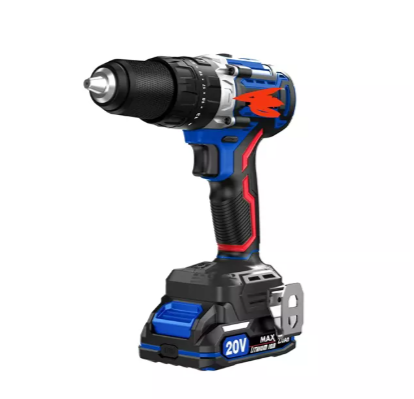
For larger holes in materials like wood, metal, and plastic, electric drills with hole saw attachments provide a clean and efficient solution. Hole saws are ideal for tasks such as plumbing, electrical installations, and carpentry, where precision is key.
Countersinking and counterboring are essential for ensuring that screws and bolts sit flush with the surface. Electric drills equipped with specialized attachments make these tasks quick and precise, resulting in professional-level finishes.
Electric drills can be used for tapping threads in wood, metal, and plastic materials. With the right tapping accessories, you can easily form or cut threads, enabling you to install screws or bolts. Using the right tapping bit and drill bit ensures smooth and accurate threads.
Electric drills are essential tools for various applications, from home improvements to professional construction. With the right drill and accessories, you can boost productivity and achieve top-quality results. These drills simplify tasks for both beginners and experts. Whether drilling, driving screws, or mixing materials, electric drills are versatile and efficient.
Regular maintenance and the right accessories can extend the lifespan of your electric drill, ensuring consistent and reliable performance. At Ningbo Yangyi Import and Export Co., Ltd., their high-quality tools provide exceptional value, offering reliable performance across a wide range of tasks.
A: An electric drill is a versatile tool used for drilling holes in various materials like wood, metal, and plastic. It can also be used for driving screws, mixing materials, sanding, and polishing, making it essential for both professionals and DIY enthusiasts.
A: Choose an electric drill based on the material you'll be working with. For wood, a basic drill works fine, but for tougher materials like concrete, a hammer drill or rotary hammer drill is recommended for better performance.
A: Yes, electric drills with a hammer function or rotary hammer drills are specifically designed for concrete drilling. The hammering action helps break through tough surfaces, making them effective for masonry and concrete tasks.
A: Electric drills offer speed, efficiency, and precision. They can handle a variety of tasks such as drilling, driving screws, and even mixing materials, which saves time and energy compared to manual methods.
A: While both tools drive screws, an electric drill is better for general drilling tasks, and an impact driver delivers higher torque for driving large screws into tough materials. Impact drivers are ideal for heavy-duty fastening.
A: Regular maintenance includes cleaning the drill after use, checking for wear on the drill bits, and lubricating moving parts. This will ensure your electric drill stays in top condition for years.
A: Yes, electric drills equipped with high-torque motors and mixing paddles are perfect for mixing heavy materials like paint, mortar, or adhesives. They offer continuous mixing without manual effort.


