


A brush cutter is a powerful gardening tool you use to cut thick grass, weeds, and small saplings. Ningbo Yangyi Import and Export Co., Ltd. supplies reliable brush cutters for both professionals and homeowners. You choose these tools for their strength, versatility, and ability to clear areas regular mowers cannot reach.
A brush cutter is a strong tool designed to cut thick grass, weeds, and small trees, making it ideal for tough outdoor jobs that regular mowers cannot handle.
Using a brush cutter saves time and money by clearing land faster and reducing the need for contractors, while offering flexibility with different blades and easy operation.
Brush cutters are more powerful than string trimmers but easier to use than clearing saws, making them a great choice for both homeowners and professionals.
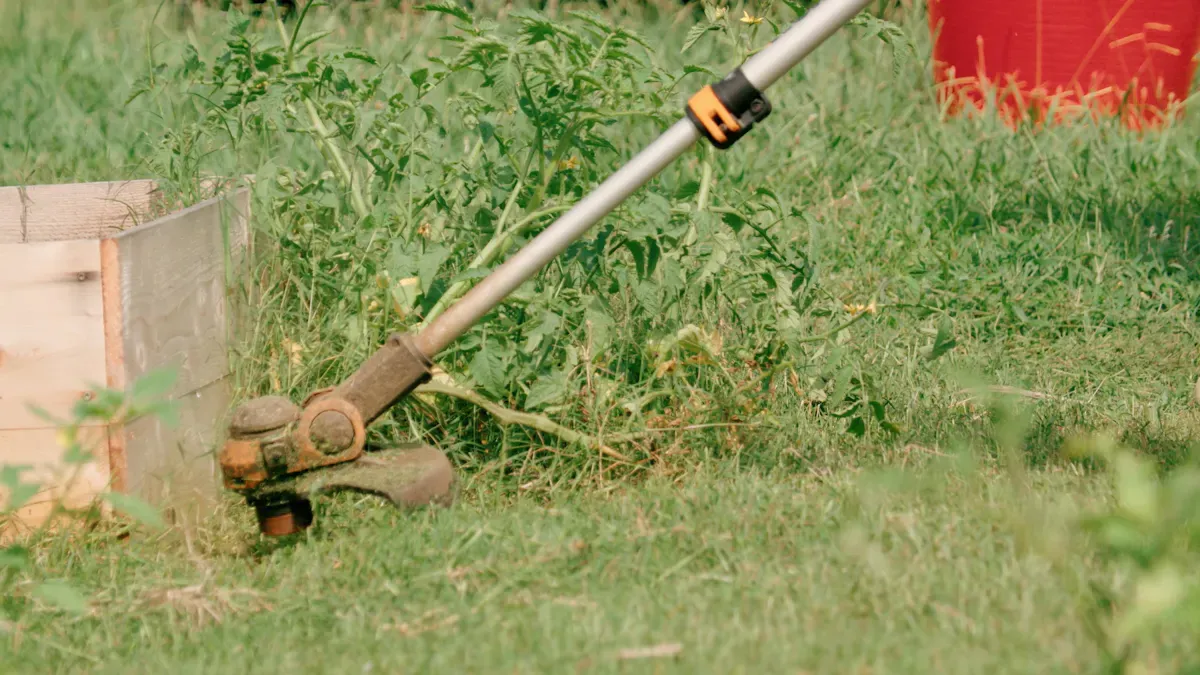
A brush cutter is a strong outdoor tool you use to cut thick grass, weeds, and even small trees. You can find brush cutters in many gardens, farms, and landscaping projects. Ningbo Yangyi Import and Export Co., Ltd. offers several models, including petrol-powered and backpack types. These tools use a powerful engine and a sharp blade or strong line to cut through tough plants. You hold the tool and guide it over the area you want to clear. Many people choose a brush cutter when they need more power than a regular trimmer can provide.
You use a brush cutter when you need to clear areas that are too tough for a lawn mower or string trimmer. This tool works well for:
Cutting small trees up to 4-10 inches in diameter
Removing overgrown grass and light brush
Maintaining fields, pastures, and roadside vegetation
Clearing land after large-scale reclamation
Selective removal of plants around buildings or fences
A brush cutter gives you several important benefits:
High mobility and flexibility, so you can work on uneven ground
Wide range of applications, since you can switch blades or heads for different tasks
Lightweight and compact design, making it easy to carry and use
Simple operation, so you can learn to use it quickly
Cost savings, because you can do the work yourself and reduce contractor fees
You can save up to 40-60% on contractor costs and finish clearing jobs up to 75% faster than with manual tools. One brush cutter can also replace several other tools, making your work easier and more efficient.
You might wonder how a brush cutter is different from a string trimmer or a clearing saw. The main differences are in power, design, and what each tool can handle. The table below shows how these tools compare:
Tool Type | Power Output & Cutting Capability | Typical Use Case & Application |
|---|---|---|
String Trimmer | Lower power, good for light grass and small weeds | Regular trimming and light yard work |
Brush Cutter | Medium power, cuts thicker weeds and brush | Tougher jobs, heavy-duty line or blade for dense plants |
Clearing Saw | Highest power, handles thick brush and small trees | Forestry, farming, and ranching |
A brush cutter is more powerful than a string trimmer. You use it for heavy-duty tasks like cutting dense brush, undergrowth, and small saplings. A string trimmer works best for light jobs, such as edging walkways or trimming grass. A clearing saw is even stronger than a brush cutter and is often used by professionals in forestry to clear thick brush and trees.
You choose a brush cutter when you need a tool that can handle tough vegetation but is still easy to use and move around. This makes it a great choice for both homeowners and professionals who want reliable results.
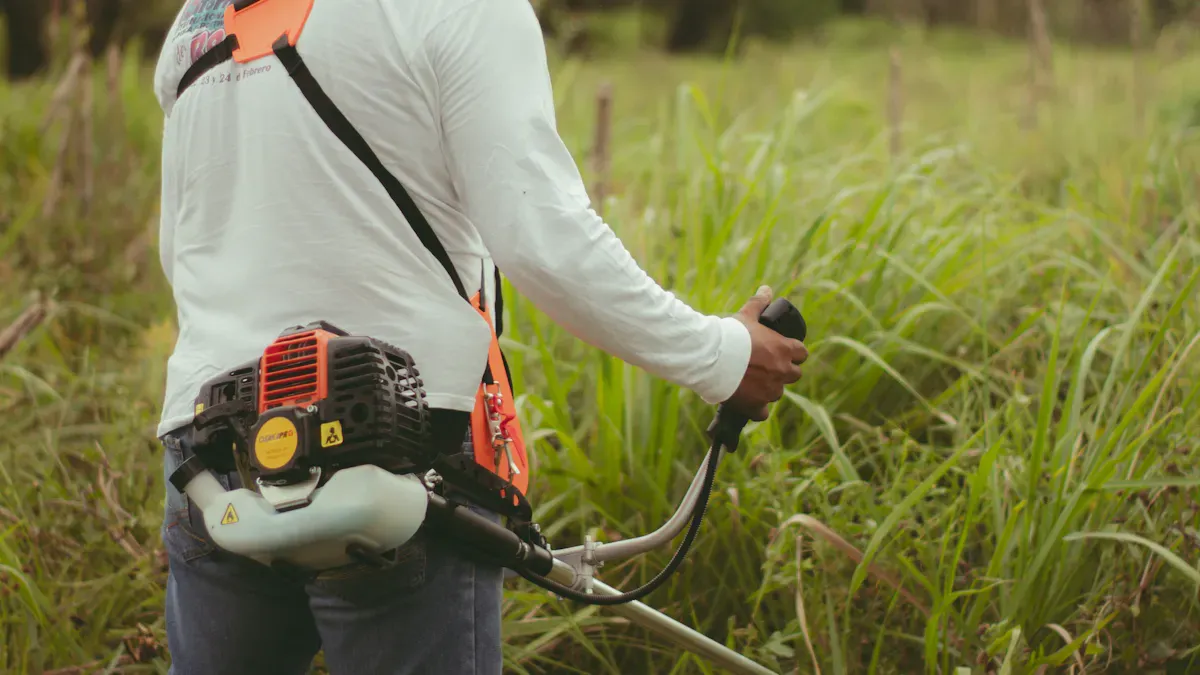
You can choose from several types of brush cutters. Handheld models are the most popular because they are easy to carry and use for small jobs. Walk-behind cutters work well for larger areas and offer better control. Tow-behind cutters help you cover big fields quickly. Corded models give you steady power, while cordless models are convenient and quiet. Ningbo Yangyi offers powerful 52cc petrol brush cutters, 4-stroke backpack models, and versatile 5-in-1 gasoline units. The table below shows the main types:
Product Type | Description |
|---|---|
Handheld Brush Cutters | Portable and versatile for small jobs |
Walk-behind Cutters | Efficient for larger areas |
Tow-behind Cutters | Best for big projects |
Corded Models | Good for long tasks with constant power |
Cordless Models | Convenient and quiet, ideal for residential use |
You can select different cutting heads and blades for your brush cutter. Knife blades slice through soft plants. Chisel blades work best for hard stems and woody weeds. Smasher blades use weight to clear soft grass. Mulching blades help you chop up plants for easy cleanup. The right blade makes your work faster and safer.
Blade Type | Description | Pros | Cons |
|---|---|---|---|
Knife Blades | Sharp edge for soft vegetation | Cheap, easy to use | Chips easily, loses sharpness |
Chisel Blades | Teeth for hard stems | Efficient for tough plants | Wears out faster, more expensive |
Smasher Blades | Heavy, no sharp edge | Good for soft grass | Not for woody weeds |
Mulching Blades | Mulches plants vertically | Helps with cleanup | Limited use |
Tip: Choose a blade that matches the plants you need to clear.
You should think about engine size, weight, and blade type. Light-duty cutters work well for grass and weeds. Heavy-duty cutters handle thick brush and small trees. Look for ergonomic features like padded harnesses and anti-vibration mounts. CE certification means the tool meets safety and quality standards. Electric models are quieter and eco-friendly. Gas-powered models offer more power for tough jobs.
Always wear gloves, goggles, and sturdy shoes. Check your brush cutter before each use. Keep blades sharp and clean. Inspect air filters and oil levels often. Provide training for safe operation. Regular maintenance helps your tool last longer and saves money.
Note: Daily cleaning and blade checks prevent most common problems.
You understand that brush cutters help you manage tough vegetation. Proper timing and technique improve results and protect your landscape. Choosing Ningbo Yangyi gives you comfortable, safe tools and strong after-sales support.
Benefit | Description |
|---|---|
Comfortable and Safe Operation | Anti-vibration and ergonomic design |
Full Lifecycle After-Sales Support | Training, technical help, warranty |
Regular maintenance keeps your property healthy and safe. You can find more information from buyer’s guides, manuals, and technical support online.
You can use handheld, walk-behind, tow-behind, corded, or cordless brush cutters.
Each type suits different tasks and areas.
You should wear gloves, goggles, sturdy shoes, and ear protection.
Safety gear protects you from flying debris and loud noise.
Task | Frequency |
|---|---|
Clean blades | After each use |
Check oil | Weekly |
Inspect filter | Monthly |


