
Views: 0 Author: Site Editor Publish Time: 2026-09-30 Origin: Site


Tool failure during a critical project phase kills momentum. You are driving long lag screws into dense framing lumber, and suddenly the tool stalls. The battery drains rapidly. The motor housing grows hot enough to burn your hand. You smell burning carbon brushes. These interruptions cause operational downtime and introduce safety hazards through electrical arcing. Standard brushed motors have powered job sites for decades, but their physical limitations hold back modern workflow efficiency. Choosing a new drill is a direct investment in your daily productivity, site safety, and project continuity. Upgrading to a Brushless Drill represents the industry-standard smart choice for high-frequency use. Let us evaluate the technical mechanics and long-term reliability of this technology to see how premium engineering translates to measurable, on-the-job benefits.
Frictionless Efficiency: Brushless motors eliminate physical carbon brushes, converting up to 85% of battery power directly into drilling force, significantly reducing heat and energy waste.
Extended Runtime: The absence of mechanical drag allows a single battery charge to last up to 50% longer compared to legacy brushed counterparts.
Consistent Performance Under Load: Electronic controllers prevent the motor from bogging down, maintaining stable RPMs and torque even when driving through dense materials.
Zero-Maintenance & Spark-Free Longevity: Without brushes to wear down or commutators to clean, the tool operates safely in hazardous environments and its lifespan is dictated by the electronics and bearings, not motor degradation.
Application-Specific ROI: The higher upfront cost is easily justified for contractors and heavy DIYers through reduced downtime and smart-tool capabilities, though casual users must weigh this against their actual usage frequency.
To understand the performance leap, you must look at the fundamental flaw of traditional motors: physical friction. Inside a standard legacy drill, small blocks of carbon—known as brushes—physically drag against a spinning commutator. This mechanical contact delivers the electrical current required to spin the rotor. This constant physical dragging inherently generates massive amounts of heat. It creates electrical sparks, causes continuous mechanical wear on the internal components, and results in highly inefficient energy transfer. A significant portion of your battery power is wasted simply overcoming this internal friction before the drill bit even touches the wood.
The brushless solution completely reimagines this power delivery system. Instead of relying on physical carbon blocks, these modern tools utilize an advanced electronic circuit board. This controller acts as the brain of the tool. It delivers electrical current directly to electromagnets located on the stationary part of the motor, known as the stator. By alternating the magnetic charge, the controller forces the internal rotor to spin without any physical contact whatsoever. Eliminating this internal friction removes the primary source of heat, wear, and energy loss.
This electronic transition introduces smart power delivery. The internal circuit board constantly monitors the resistance the tool faces using Hall effect sensors. If you are drilling through soft pine and suddenly hit a dense knot, the controller senses the increased resistance instantly. It dynamically adjusts the power draw from the battery, supplying more torque to push through the obstacle while maintaining stable RPMs. Legacy brushed motors lack this awareness. They draw maximum current continuously, regardless of the task, which often leads to stalling or bogging down under heavy loads.
Performance Metric | Legacy Brushed Motor | Modern Brushless Motor |
|---|---|---|
Friction & Wear | High (Physical contact between brushes and commutator) | Zero (Magnetic field rotation) |
Energy Efficiency | 50% - 60% (High heat loss) | 80% - 90% (Direct power transfer) |
Maintenance Needs | Frequent brush replacement, commutator cleaning | None (Sealed electronic components) |
Power Delivery | Constant maximum draw, prone to stalling | Dynamic draw based on material resistance |
The presence of an electronic control board enables advanced connectivity. This transforms a simple spinning motor into a smart tool. Many modern professional platforms integrate Bluetooth connectivity directly into the drill's circuitry. This allows professionals to connect their smartphones to the tool. You can set custom torque profiles for specific fasteners, preventing over-driving. You can track tool inventory across massive job sites. You can even digitally lock stolen tools, rendering them useless to thieves and protecting your equipment investment.
The total elimination of internal friction and electrical arcing fundamentally changes how the tool handles heat. Because there are no brushes rubbing against a commutator, the motor runs significantly cooler during operation. This thermal efficiency matters during continuous, high-torque applications. Whether you are driving dozens of long structural screws, mixing heavy drywall mud, or boring large holes through floor joists, heat is the enemy. Legacy tools often suffer from thermal overload, forcing the battery management system to shut down the tool to prevent melting the lithium-ion cells. A brushless system sheds heat effectively, allowing you to work continuously without forced cool-down periods.
Dynamic power draw and high energy conversion rates directly impact your daily workflow. Because energy is not wasted fighting internal friction, these motors achieve energy conversion rates exceeding 85%. The tool only pulls the exact amount of power needed for the specific task at hand. This efficiency drastically reduces how often you need to swap batteries. Fewer trips to the charging station mean less downtime. It also reduces your reliance on carrying multiple heavy, high-amp-hour batteries around the job site. A compact 2Ah battery on a frictionless motor often performs the same amount of work as a bulky 4Ah battery on an older brushed model.
Removing the physical commutator and brush assembly allows manufacturers to design much more compact motors. The result is a lighter, noticeably shorter tool profile. Frictionless rotation also means significantly less vibration and mechanical noise transferring into your hands and arms. These ergonomic benefits become highly apparent during demanding tasks. When working overhead to install HVAC ductwork, fitting the tool between narrow wall joists, or working inside cramped cabinetry, a shorter and lighter tool reduces user fatigue over a long shift. You maintain better control and experience less physical strain on your wrists and elbows.
Standard motors naturally produce electrical arcing where the brushes meet the spinning commutator. You can often see these blue sparks through the ventilation vents of older tools. By removing all physical contact points, brushless technology eliminates this arcing entirely. This creates a much safer operational environment. When working in enclosed spaces filled with combustible airborne sawdust, near volatile solvents, or in areas with potential gas fumes, eliminating sparks is a strict safety requirement. It provides peace of mind and compliance with site safety regulations.
Consumable motor parts are a thing of the past with this technology. You completely eliminate the need to monitor, purchase, and replace worn-out carbon brushes. In a traditional tool, ignoring worn brushes can destroy the commutator, ruining the entire drill. With a frictionless motor, the lifespan of the tool is dictated primarily by the durability of the steel bearings and the electronic components. This massive reduction in physical wear translates directly to a longer overall functional life for the tool, keeping it in your hands and out of the repair shop.
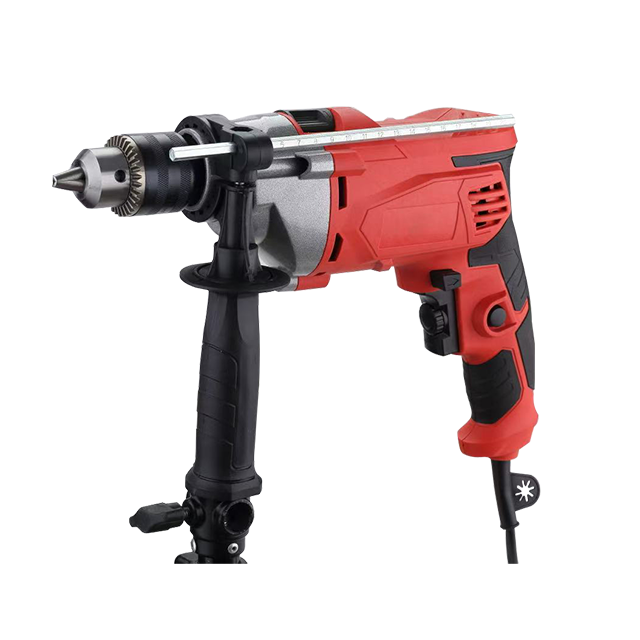
For general contracting, carpentry, and assembly, precision and consistent speed control are your primary success criteria. A brushless electric drill serves as the absolute baseline for modern construction work. The electronic trigger control offers unparalleled precision, allowing you to start holes slowly without the bit walking across the material. Once engaged, the motor maintains a consistent drilling force without bogging down, even when switching between driving standard wood screws and boring holes with spade bits. The balanced weight and reliable runtime make it the most versatile tool in any kit. You rely on this tool for drilling pilot holes, installing hinges, and handling standard fastening tasks where finesse matters more than raw concussive power.
When the job requires driving large fasteners, success depends on high torque delivery without stripping screws, snapping fastener heads, or causing severe wrist fatigue. A brushless impact drill excels here by enhancing the internal impact mechanism with smart motor control. The concussive force drives stubborn fasteners effortlessly. The electronic speed and torque settings—often divided into three or four distinct modes—prevent you from over-driving fasteners into delicate materials. You get maximum concussive power when sinking structural lags into deck ledgers, but you can dial it back electronically to install delicate cabinet hardware without damage. The internal anvil and hammer mechanism takes the rotational strain off your wrist, transferring the energy directly into the fastener.
Masonry, concrete, and heavy-duty boring demand sustained power and extreme heat management. Drilling into poured concrete is arguably the ultimate test of any motor. A cordless brushless hammer drill thrives in this brutal environment. As the masonry bit grinds against stone and aggregate, the electronic controller senses the massive resistance. It dynamically forces the motor to maintain high RPMs, preventing the bit from binding in the hole. This sustained power prevents motor burnout and avoids the dreaded battery thermal lockout that plagues older tools during heavy masonry work. The internal percussion mechanism rapidly strikes the back of the chuck, pulverizing the concrete while the frictionless motor maintains the rotational speed needed to clear the dust from the hole.
It is important to acknowledge the higher initial purchase price associated with advanced electronic motors compared to legacy brushed tools. Evaluating this purchase requires looking beyond the checkout counter. You must factor in battery longevity. Because the tool runs more efficiently, you charge your batteries less often. Fewer charge cycles mean your expensive lithium-ion batteries will last significantly longer before degrading. Add the zero maintenance costs of never replacing brushes, and the financial value of time saved from reduced downtime. Faster application speeds and uninterrupted workflows quickly offset the initial premium. You spend less time waiting for batteries to charge and more time completing the project.
For contractors and tradespeople, upgrading is essentially mandatory. When you use a tool daily, time is money. Tool failure halts production, delays schedules, and frustrates clients. The durability, runtime, and smart-tracking features protect your livelihood and your investment. For homeowners and DIYers, the assessment requires a realistic look at usage. If you are tackling a whole-house renovation, building a large deck, or engaging in frequent woodworking hobbies, the upgrade is highly recommended. If your tool usage is limited to hanging a few pictures or assembling flat-pack furniture twice a year, a basic legacy drill remains a viable, practical option.
While mechanical parts like brushes no longer wear out, the electronic control board introduces a new layer of complexity. If this circuit board fails due to extreme moisture exposure or severe drops onto concrete, it is often difficult and expensive to replace. Unlike a simple brushed motor that you can sometimes fix with a screwdriver and a new set of carbon blocks, a fried circuit board usually requires professional servicing. To mitigate this risk, buyers should prioritize brands that offer robust, multi-year warranties specifically covering the tool's electronics. Always store these tools in weather-resistant cases rather than leaving them exposed in the back of a truck.
Upgrading to a premium tool often commits you to that specific brand's proprietary battery platform. Batteries from one manufacturer will not fit tools from another. This makes future brand-switching highly inconvenient and expensive. To mitigate this lock-in risk, do not just look at the drill. Evaluate the brand's entire line of tools.
Inventory your current cordless tools to identify any existing battery platform dominance in your shop.
Check the manufacturer's catalog for specialty tools you might need in the future, such as band saws, rotary hammers, or outdoor power equipment.
Review the amp-hour options available within that specific battery line to ensure they offer high-capacity packs for demanding tasks.
Read the warranty terms specifically regarding electronic control board failures and battery degradation.
Audit your current tool inventory to determine if upgrading requires a complete battery platform switch or just a bare-tool purchase.
Assess your daily torque requirements to decide between a standard drill, an impact driver, or a heavy-duty hammer drill.
Verify the warranty coverage on the electronic components before committing to a specific brand.
Test the ergonomics of the tool at a local supplier to ensure the grip and weight distribution fit your hand comfortably.
A: A battery can last up to 50% longer on a single charge compared to a brushed model. This is due to the 85% energy conversion rate, dynamic power draw that only uses necessary current, and the complete lack of internal mechanical friction wasting power.
A: Yes, specifically a hammer drill variant. The electronic controller dynamically adjusts power to maintain sustained RPMs under extreme resistance. This prevents bit binding and manages heat effectively, avoiding motor burnout during heavy masonry and concrete boring.
A: They require significantly less maintenance because there are no carbon brushes to replace. You still need to perform basic upkeep. This includes cleaning the chuck, keeping the ventilation slots clear of dust and debris, and properly storing your batteries.
A: The higher cost comes from the advanced internal components. They require a complex electronic control board to manage the magnetic fields, high-quality rare-earth magnets on the rotor, and often include smart connectivity features like Bluetooth for tool tracking and customization.
A: It depends on the task. An impact drill uses concussive torque, making it vastly superior for driving stubborn fasteners and long screws without wrist strain. A standard drill uses smooth rotational torque, which is better for precise drilling and delicate assembly.
A: Yes, but much slower than a brushed motor. While it lacks rapid mechanical friction wear from brushes, the internal steel bearings will eventually wear out over a decade of heavy use, and the electronic components can degrade over time.
A: Yes. Because they eliminate physical brushes dragging on a commutator, they produce zero electrical sparks or arcing. This makes them significantly safer to operate in enclosed spaces around combustible airborne sawdust, flammable solvents, or gas fumes.


