Views: 0 Author: Site Editor Publish Time: 2026-03-18 Origin: Site


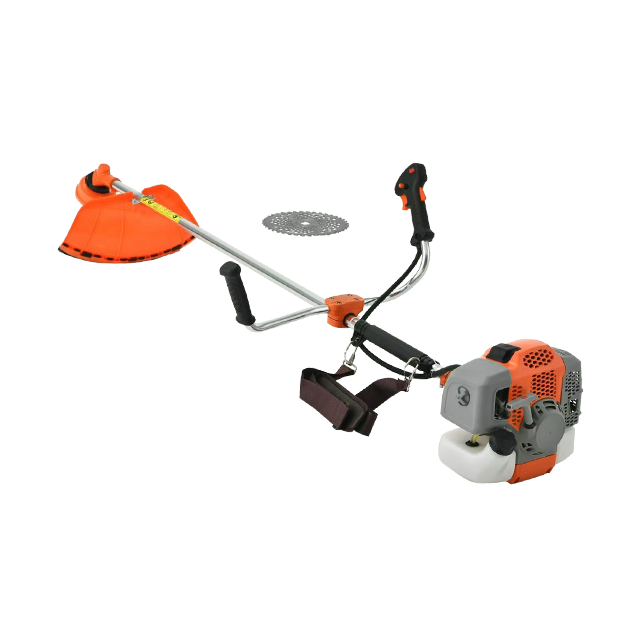
You want to install a Petrol Brush Cutters blade on your string trimmer. Start with the right tools and always follow safety steps. Ningbo Yangyi’s brush cutter works well for both professionals and homeowners. Before you begin, check your trimmer’s compatibility and read the manufacturer’s instructions.
Always check your string trimmer's compatibility with the brush cutter blade before installation. This ensures a proper fit and safe operation.
Wear appropriate safety gear, including gloves, goggles, and steel-toed boots, to protect yourself from potential injuries while working.
Regularly maintain your brush cutter blade by cleaning and sharpening it every 5–10 hours of use. This keeps your equipment efficient and safe.
You need the right tools and parts before you start. Make sure your string trimmer is heavy-duty, with at least a 30cc engine. This helps the brush cutter blade work smoothly. Ningbo Yangyi offers several models, like the 52cc petrol brush cutter, the 4-stroke backpack brush cutter, the dual-string gasoline brush cutter, and the 5-in-1 multifunctional brush cutter. These models are reliable and easy to use.
Check if your trimmer needs an adapter kit. Some string trimmers require special adapters to fit the blade. Always check compatibility with your trimmer. Here’s a quick look at the tools and parts you might need:
Tool/Part | Description |
|---|---|
Brush cutter attachment | Fits onto string trimmers for tough jobs. |
Wrench | Helps with installation. |
Hex Key | Used for tightening bolts. |
Safety Handle | Keeps your hands safe during operation. |
Safety matters most. You should wear gloves, goggles, hearing protection, steel-toed boots, and a hard hat. Clear the work area and inspect the blade for damage. Only use approved blades that match your trimmer. Keep a firm grip and ask someone to spot you if you work in tricky spots. Always follow the manufacturer’s instructions.
Here’s a table showing common injuries if you skip safety steps:
Injury Type | Description |
|---|---|
Eye Injuries | Debris can fly at high speeds and hit your eyes. |
Lacerations | Sharp objects may cause cuts to you or others nearby. |
Back Strains | Lifting or using the tool wrong can hurt your back. |
Wrist Strains | Poor technique can strain your wrists. |
Tip: Test your brush cutter at low speed after installation. This helps you check balance and vibration.
Start by unplugging your string trimmer or removing the spark plug if you use a gas model. This keeps you safe while working. Hold the shaft steady and use a wrench to loosen the nut or bolt that holds the trimmer head in place. Take off the head and set it aside. Some models have a locking pin or hole on the shaft. Insert the pin to keep the shaft from spinning while you remove the head.
Tip: Always check your manufacturer’s manual for specific instructions. Some trimmers use different locking methods.
You need to match the brush cutter blade to your trimmer’s arbor size. Not all trimmers and blades fit together. Adapter rings help connect blades to different driveshafts. For example, if your blade has a 1-inch arbor and your trimmer has a 20mm shaft, use a 20-to-25.4mm adapter ring. Place the adapter ring on the shaft, then set the blade on top. Make sure the blade sits flat and centered.
Adapter kits often include:
Adapter rings for different arbor sizes
Thrust washer
Rider plate
Nut for securing the blade
Now, attach the thrust washer first. Place the rider plate on top of the washer. Put the nut on and tighten it in a counterclockwise direction. Use a stop pin to block the shaft while you tighten the nut. Remove the pin when you finish. The blade should sit flat and not wobble. Check the alignment by spinning the blade slowly by hand. If it rubs or catches, loosen the nut and adjust the blade.
Note: Ningbo Yangyi brush cutter blades are designed for easy installation and reliable performance. Their ergonomic design helps you work comfortably and safely.
Plug in your trimmer or reconnect the spark plug. Hold the tool firmly and start it at low speed. Watch the blade as it spins. Look for any vibration or wobbling. If the blade does not spin correctly, follow these troubleshooting steps:
Check for debris or grass wrapped around the blade carrier.
Make sure all fasteners are tight.
Inspect adapter rings and washers for proper fit.
Clean quick connect couplers if your trimmer uses them.
If the blade still does not spin, check fluid levels if your model uses hydraulic power.
Stop the trimmer and fix any issues before you continue.
Keep your brush cutter blade in top shape with regular care. After every use, clean the blade to remove sap, dirt, and debris. Inspect the blade for damage or wear. Sharpen the blade every 5–10 hours of operation, or after every 8–10 hours if you use it heavily. Use a file or sharpening stone and follow the manufacturer’s guidelines. A sharp blade cuts better and reduces stress on your equipment.
Maintenance checklist:
Inspect blade for wear and damage after each use
Clean blade to prevent buildup
Sharpen blade regularly
Replace damaged blades right away
Keeping your brush cutter blade sharp and clean improves safety and efficiency. It also helps your equipment last longer.
Picking the right brush cutter blade makes your job easier. Use the table below to match blade types to vegetation and terrain:
Blade Category | Teeth Count | Material/Features | Vegetation Type & Density | Terrain Considerations |
|---|---|---|---|---|
Grass & Weed Blades | 3–5 | Tempered carbon steel, thin profile | Soft, fibrous vegetation; flat lawns, pasture edges | Best on flat terrain; avoid roots or gravel |
Brush & Sapling Blades | 6–9 | Tungsten-carbide tips, medium thickness | Dense thickets, blackberry vines, saplings up to 1.5" diameter | Curved geometry for better bite angle |
Stump & Heavy Brush Blades | 10–12 | Thick forged steel, replaceable carbide tips | Small stumps, invasive shrubs, heavy brush | Needs 4+ HP engines; aggressive rake angle |
Blades with fewer teeth cut larger saplings more efficiently and reduce kickback. More teeth can cause overheating and unpredictable movement. Choose a blade with fewer teeth for safety and less fatigue.
Ningbo Yangyi offers high-quality blades for different tasks. Their blades stay sharp longer and cut through tough vegetation with ease.
You now know how to install a brush cutter blade safely and easily. Always check your trimmer’s compatibility before you start:
Compatibility Check | Description |
|---|---|
Blade Fit with Trimmer Model | Make sure the blade fits your trimmer model. |
Mounting Pattern and Bore Size | Match the blade’s center bore size and mounting pattern. |
Owner's Manual Consultation | Read your manual for approved blade types and safety tips. |
Stay safe every time you use your tool:
Wear long pants and sleeves.
Keep kids and pets away.
Watch for people nearby.
Use gloves and ear protection.
Regular cleaning and sharpening keep your equipment working well. Ningbo Yangyi’s tools help you get the job done right.
You need to check your trimmer’s manual. Not all blades fit every model. Always match the blade’s arbor size and mounting pattern.
You should sharpen the blade every 5–10 hours of use. If you cut thick brush, sharpen it more often. A sharp blade works better.
Stop using the trimmer right away. Check the nut and washers. Tighten everything. Spin the blade by hand to make sure it sits flat.