
Views: 0 Author: Site Editor Publish Time: 2026-08-18 Origin: Site


Legacy brushed motors harbor hidden operational costs. Thermal wear, mechanical friction, and rapid battery drain consistently plague these older designs during high-demand tasks. Physical carbon brushes drag against internal commutators, converting valuable battery energy into useless heat and sparks. Upgrading presents a distinct decision-making challenge. You must balance the acquisition of advanced tools against the operational demand for sustained performance, reduced downtime, and extended tool longevity. Professional tradespeople and serious DIYers require reliable equipment that will not stall under heavy loads. This guide provides a comprehensive technical evaluation framework. It helps determine if upgrading to a brushless electric drill is operationally sound for your specific workload. We will examine motor engineering, battery efficiency, and workload suitability to guide your next tool investment.
Electronic Commutation Superiority: Brushless motors eliminate physical carbon brushes, reducing friction and heat generation, which directly translates to extended tool life and sustained peak performance.
Optimized Power Consumption: Smart electronics in brushless models adjust power draw based on resistance, maximizing the runtime of a lithium battery cordless rotary electric drill by up to 50% per charge.
Increased Torque Density & Speed: Upgrading yields a verifiable 20-30% increase in torque and higher top-end speeds within a lighter, more compact housing, reducing operator fatigue.
Understanding the fundamental engineering difference between motor types reveals why brushless technology dominates modern job sites. Legacy brushed designs rely on a mechanical system to deliver electrical current to the spinning armature. Spring-loaded carbon brushes physically press against a rotating commutator. This constant physical contact creates inherent operational flaws. The friction generates significant drag, slowing the motor down. It also produces sparking, which accelerates the physical degradation of the carbon blocks. Over time, these brushes wear down to stubs. You have to manually replace them to keep the tool functional.
Brushless mechanisms invert this traditional architecture. They utilize a permanent magnet rotor surrounded by an electromagnet stator. Instead of physical brushes transferring current, a smart electronic circuit board controls the power delivery. This electronic commutation fires specific electromagnets in a rapid, precise sequence. It pushes and pulls the permanent magnets on the rotor. The elimination of physical contact removes mechanical drag entirely. The rotor spins freely within the magnetic field. This results in a highly efficient transfer of electrical energy into rotational force.
Technical Specification | Brushed Motor Design | Brushless Motor Design |
|---|---|---|
Commutation Method | Mechanical (Carbon Brushes) | Electronic (Circuit Board) |
Friction Level | High (Constant physical contact) | Zero (Magnetic field rotation) |
Heat Generation | Significant (Friction and sparking) | Minimal (Highly efficient energy transfer) |
Maintenance Needs | High (Requires brush replacement) | Zero (No wearable internal parts) |
Power Efficiency | Standard (Energy lost to heat/drag) | High (Dynamic power adjustment) |
Tool Weight | Heavier (Bulky brush housing) | Lighter (Compact stator design) |
Heat acts as the primary destructive force inside any power tool. In brushed motors, the continuous friction of carbon against copper generates rapid heat buildup during continuous operation. When drilling through dense materials like concrete or thick steel, this heat accumulates faster than the internal fan can dissipate it. The resulting thermal overload melts internal wiring insulation. This leads to catastrophic motor failure. Operators often smell burning ozone just before a brushed motor dies permanently.
Brushless designs excel in thermal management due to the absence of friction. Without brushes generating baseline heat, the tool runs significantly cooler even under heavy strain. Furthermore, brushless tools integrate advanced electronic sensors. These sensors monitor internal temperatures and current draw in real-time. If the tool detects an impending thermal event, the circuit board instantly cuts power to the motor. This overload protection prevents operators from accidentally destroying their equipment. The tool simply shuts down. It requires a brief cooling period before resuming work, thereby preserving the internal components.
Traditional brushed motors operate blindly. They pull a constant stream of electricity from the battery regardless of the task's difficulty. If you press the trigger fully, the motor attempts to spin at maximum speed. It wastes energy when driving a small screw and bogs down when encountering a dense knot in hardwood. This lack of adaptability makes brushed tools inefficient across varied applications.
Brushless motors feature dynamic load sensing capabilities driven by internal Hall effect sensors. The circuit board continuously monitors the resistance the bit encounters. It regulates speed and torque to compensate for the load instantly. When drilling through soft pine, the board supplies minimal current to maintain RPMs. The moment the bit hits a dense oak stud, the board detects the increased resistance. It instantly draws more current from the battery to push through the obstacle. This ensures consistent RPMs regardless of material density. It prevents the tool from stalling under pressure.
The transition to electronic commutation delivers measurable performance upgrades. Industry benchmarks consistently show that brushless motors produce 20-30% higher torque delivery compared to identically sized brushed counterparts. Torque represents the twisting force required to drive thick fasteners or turn large hole saws. The magnetic field manipulation in a brushless stator generates a stronger, more consistent rotational force. This allows operators to tackle demanding applications without reaching for a heavier, corded alternative.
Beyond raw torque, the elimination of physical brush friction allows the motor to reach and sustain higher top-end speeds. RPMs matter significantly when drilling through metal or driving small, self-tapping screws. A faster spinning bit cuts cleaner holes and prevents the fastener from wandering. These metrics translate directly into tangible operational outcomes. Users experience faster drilling times through dense materials like concrete and hardwoods. The increased torque density also means fewer stalled bits. This reduces frustration and prevents wrist injuries caused by sudden tool kickback.
The true potential of brushless technology unlocks when paired with modern battery chemistry. A lithium battery cordless rotary electric drill featuring a brushless motor achieves significantly longer runtimes per amp-hour. The synergy between the smart battery pack and the tool's circuit board creates a highly efficient energy ecosystem. The dynamic load sensing ensures the tool only draws the exact amount of power required for the immediate task.
Brushed motors waste a substantial percentage of battery capacity overcoming their own internal friction. Brushless motors convert nearly all drawn electricity into rotational work. This efficiency yields up to 50% more holes drilled or screws driven per charge. For professionals working on remote sites without immediate access to charging stations, this extended runtime proves invaluable. It reduces the number of spare batteries required on-site. It also minimizes workflow interruptions caused by frequent battery swaps.
Removing the physical brush assembly, the commutator, and the associated housing allows engineers to shrink the overall physical footprint of the motor. Brushless tools are noticeably shorter from the chuck to the back of the motor housing. This compact design dramatically improves the power-to-weight ratio. You receive heavy-duty performance from a tool that feels like a light-duty model.
The ergonomic benefits of this size reduction become apparent during extended use. A lighter tool reduces operator fatigue in the hands, wrists, and shoulders. This is particularly noticeable during overhead drilling tasks. The shorter head length provides better maneuverability in tight spaces, such as between floor joists or inside cabinetry. Furthermore, the concentrated weight of the brushless motor sits closer to the handle. This improves the overall tool balance and makes it feel like a natural extension of the operator's arm.
When transitioning to a brushless platform, operators immediately notice differences across various materials. Drilling into masonry or poured concrete requires sustained hammer action combined with high rotational torque. Brushed motors often bog down when the masonry bit hits hard aggregate, causing the operator to push harder and generate more heat. Brushless motors maintain their RPMs through the aggregate, letting the tool do the work rather than the operator's shoulder.
For metal fabrication, drilling through quarter-inch steel demands precise speed control. If the bit spins too fast, it overheats and dulls instantly. If it spins too slow, it catches and snaps. The dynamic load sensing in brushless triggers allows for micro-adjustments in speed. You can start the hole slowly to establish a divot, then ramp up the RPMs to push through the steel without burning the cutting edge.
In woodworking, driving large spade bits or hole saws through thick dimensional lumber frequently stalls older tools. The electronic commutation delivers a constant stream of power that prevents the bit from binding in the wood fibers. This results in cleaner exit holes and significantly less strain on the operator's wrists.
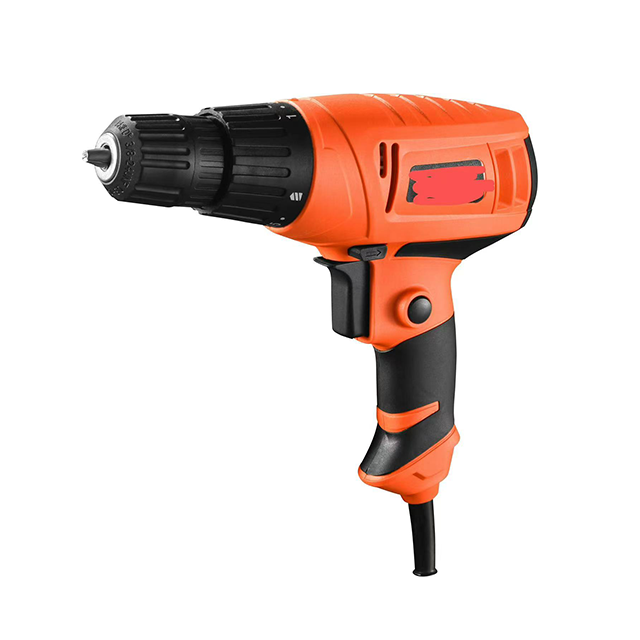
Commercial construction environments demand equipment that can withstand relentless abuse. Success criteria on heavy-duty job sites include continuous runtime, drop resistance, and maximum fastening torque. Framing contractors, electricians, and plumbers push tools to their absolute thermal limits daily. In these scenarios, upgrading is not optional; it represents a baseline requirement for efficiency.
Evaluate the necessity of an 18V brushless impact drill for construction applications. Driving half-inch lag bolts into pressure-treated lumber or continuously anchoring masonry fixtures requires sustained high torque. A brushed tool will rapidly overheat and drain batteries under these conditions. The 18V brushless platform provides the thermal endurance and raw power necessary to maintain a fast-paced commercial workflow without risking catastrophic motor burnout.
Many users operate in hybrid environments, bridging the gap between advanced DIY renovations and light commercial contracting. These users require versatility across materials, compact size for easy transport, and precise variable speed control. They might frame a basement wall one day and install delicate cabinet hardware the next. A massive construction-grade tool often proves too heavy and aggressive for these varied tasks.
Analyze the utility of a 13mm brushless impact drill home industrial model for this demographic. The 13mm chuck accommodates large hole saws and masonry bits, while the brushless motor provides the finesse needed for delicate driving. This hybrid class offers the perfect balance. It delivers enough torque to handle occasional heavy-duty tasks while remaining light enough to prevent fatigue during weekend-long renovation projects.
Cabinet makers, HVAC installers, and finish carpenters prioritize control over raw power. Success criteria for precision tasks include trigger sensitivity, clutch accuracy to prevent over-driving, and electronic braking. Driving hundreds of small fasteners requires a tool that stops exactly when the operator releases the trigger. This prevents stripping screw heads or damaging delicate materials.
Brushless technology excels in precision applications. The electronic brake instantly stops the bit the millisecond the trigger is released. This contrasts sharply with brushed motors, which tend to coast to a stop. Furthermore, the brushless system locks the motor in place when stopped. This allows for much easier, one-handed chuck spinning. It facilitates faster bit changes and keeps the operator's workflow smooth and uninterrupted.
Upgrading strategically often involves evaluating tool combinations rather than single purchases. A common scenario involves pairing a legacy brushed electric drill with a new brushless impact driver. This strategy balances budget constraints with high-torque needs. You can relegate the older brushed drill to light duty tasks. Use it for drilling pilot holes in softwoods or mixing small batches of drywall mud.
The new brushless impact driver then takes over the heavy lifting. It handles all the aggressive fastening tasks. It drives long screws and lag bolts where torque and thermal management matter most. This two-tool approach maximizes the utility of existing equipment. It injects the benefits of brushless technology exactly where the workload demands it most.
While brushless technology offers undeniable advantages, it remains necessary to align the tool's capabilities with your actual workload. Acknowledge that for infrequent, light-duty household tasks, the performance ceiling of a premium brushless drill may never be realized. Hanging a few picture frames, assembling flat-pack furniture, or installing window blinds does not generate enough thermal stress. It does not require enough torque to justify a high-end upgrade.
In these specific scenarios, a standard brushed model often remains the right, cost-effective choice. Over-specifying tools leads to unnecessary expenditure. If your tools spend 360 days a year sitting in a closet, the extended lifespan and battery efficiency of a brushless motor provide zero practical value. Evaluate your actual usage frequency before committing to a premium platform.
Tool manufacturers frequently bundle products into multi-tool combo kits to attract buyers. However, consumers must read specifications carefully to avoid hidden compromises. Some budget-friendly combo kits artificially lower the retail price by pairing a high-quality brushless impact driver with a cheaper, legacy brushed electric drill.
The packaging often highlights the word "Brushless" in large font. This leads buyers to assume all tools in the box feature the upgraded technology. Always verify the exact model numbers and motor specifications for every individual tool included in a combo kit. Ensure you are actually purchasing a fully brushless ecosystem rather than a mixed bag of modern and legacy components.
Brushless motors eliminate mechanical wear, making the physical motor incredibly robust. However, the complex circuit boards required for electronic commutation introduce a different type of vulnerability. These microprocessors and sensors can be susceptible to extreme environmental hazards if the tool housing lacks proper sealing.
Highly conductive dust, such as metal shavings from grinding operations, or extreme moisture can short out the internal electronics. When evaluating brushless tools for harsh environments, pay close attention to the manufacturer's Ingress Protection (IP) ratings or proprietary dust and water sealing technologies. A burned-out circuit board requires immediate replacement to restore functionality.
Even though brushless motors lack wearable carbon brushes, they still require basic maintenance to ensure longevity. The primary enemy of the internal circuit board is conductive debris. Metal shavings, drywall dust, and concrete powder can bypass the exterior vents and settle on the electronics.
To protect your investment, implement a strict post-job cleaning routine. Use compressed air to blow out the motor housing vents after every shift, particularly if you were drilling overhead into masonry. Never store the tool in a damp environment, as moisture can corrode the exposed battery contact terminals and the internal sensor arrays.
Additionally, pay attention to the chuck mechanism. While the motor is maintenance-free, the metal chuck still relies on physical gears and jaws. Keep the chuck jaws lightly lubricated with a dry PTFE spray to prevent them from seizing. Avoid using heavy grease, as it will attract and hold abrasive dust, which eventually grinds down the internal chuck threading.
Purchasing a standalone brushless drill initiates entry into a specific manufacturer's battery ecosystem. Modern lithium-ion batteries contain proprietary communication chips that only interface with tools from the same brand. Do not purchase a drill without evaluating the manufacturer's broader tool lineup.
Battery platform switching costs remain exceptionally high. If you buy a drill from Brand A, but later realize Brand B manufactures a superior brushless circular saw or oscillating multi-tool, you will be forced to maintain two separate sets of batteries and chargers. Always research the depth, quality, and future expansion plans of the entire 18V or 20V battery platform before committing to your first brushless drill.
Audit your current tool inventory to identify which batteries you already own and determine if those platforms offer compatible brushless bare tools.
Calculate your average weekly trigger-time to objectively decide if your workload requires an 18V construction-grade model or a lighter 13mm hybrid model.
Inspect the exact motor specifications on all multi-tool combo kits to verify every included tool utilizes a brushless motor before purchasing.
Test the ergonomics of two to three shortlisted brushless models at a local supplier to ensure the grip and weight distribution fit your hand comfortably.
A: Yes. Brushless motors eliminate physical carbon brushes, removing the primary source of internal friction and wear. They also integrate thermal overload protection, which prevents the motor from burning out under heavy strain. This combination extends the motor's operational life to thousands of hours compared to hundreds for brushed models.
A: Yes. 18V and 20V Max represent the exact same battery voltage. The 20V rating is measured without a load, while 18V is the nominal operating voltage. The brushless motor delivers significantly more usable torque and higher top-end speed under load due to electronic efficiency and zero internal mechanical friction.
A: The primary advantage is runtime efficiency. The smart lithium battery communicates directly with the brushless circuit board. This dynamic load sensing ensures the tool only draws the exact power needed for the task, resulting in up to 50% longer runtime per charge compared to brushed tools.
A: This sudden stop is a built-in safety feature called electronic overload protection. Sensors detect when the motor or battery approaches critical thermal limits. The circuit board instantly cuts power to prevent the components from burning out, whereas a brushed drill would simply overheat, smoke, and fail permanently.
A: It depends on your activity level. While it costs more upfront, the lack of maintenance, lighter weight, and superior performance make it an excellent investment for active homeowners tackling weekend renovations. It provides enough power for heavy tasks without the bulk of a commercial construction tool.
A: Upgrading both maximizes battery ecosystem synergy, but it is not strictly necessary. A highly effective budget strategy involves prioritizing a brushless impact driver for heavy fastening tasks while keeping your older brushed drill for light-duty work like drilling small pilot holes.
A: Generally, yes. As long as the brand, voltage, and physical battery interface match, most modern lithium-ion batteries are forward compatible with new brushless tools. However, older, lower-capacity batteries may not unlock the maximum torque potential of a high-end brushless motor.


