
Views: 0 Author: Site Editor Publish Time: 2026-09-08 Origin: Site


A 58cc engine paired with a 20-inch guide bar hits the sweet spot for landowners and property managers who need serious felling power. You get enough torque to drop mature hardwoods without dragging around the massive weight of a 70cc logging saw. The current market is flooded with generic, imported 58cc chainsaws competing against established brand names. Buyers constantly struggle to figure out if these highly accessible "5800 series" clones can actually handle heavy-duty tree removal. Marketing materials call them easy to use, but field experience often reveals hidden reliability and safety risks. You need a clear way to evaluate engine performance, component quality, and maintenance realities before you buy. We will break down exactly what separates a disposable tool from a dependable workhorse, helping you decide if a generic 20inch 58cc gasoline chainsaw for trees fits your specific wood-cutting demands.
Power-to-Bar Ratio: A 58cc engine producing roughly 2.3kW to 2.5kW is optimally balanced for a 20-inch bar, providing sufficient torque for hardwood bucking without bogging down.
The Generic vs. Pro-Grade Divide: Budget 58cc imports offer high initial value but require mechanical aptitude for out-of-the-box carburetor tuning and frequent hardware tightening, countering claims of plug-and-play simplicity.
Safety and Ergonomics: Heavy-duty felling requires evaluating vibration dampening, chain brake reliability, and overall weight distribution—areas where entry-level models often cut corners.
Use-Case Alignment: Occasional storm cleanup, tree trimming, and firewood processing favor budget 58cc models, while daily forestry operations demand commercial-grade alternatives.
Pulling a steel chain through a mature tree trunk requires substantial mechanical force. A 58cc two-stroke engine typically generates around 2.3 kilowatts of power. This output is necessary to maintain chain speed under heavy load. When you bury a 20-inch bar in green oak, hickory, or locust, friction increases dramatically across the entire length of the guide bar. The engine must produce enough torque to keep the cutting teeth biting into the wood fibers. If the engine lacks torque, the chain stops moving in the cut. This causes the centrifugal clutch to slip, generating excessive heat that can melt the surrounding plastic housing and destroy the rim sprocket.
A 58cc powerhead provides the exact mechanical advantage needed for this specific bar length. It drives the sprocket with enough rotational force to clear sawdust and large wood chips from the kerf efficiently. Continuous heavy wood cutting demands sustained RPMs. The 58cc displacement ensures the saw does not bog down when you apply leverage to the felling dogs. You can maintain a steady, aggressive cutting rhythm without forcing the powerhead or leaning your body weight into the saw.
Many operators debate the operational differences of an 18inch 20inch 58cc gasoline chainsaw for wood. Stepping down to an 18-inch bar fundamentally changes how the saw behaves in your hands. A shorter bar reduces the total number of drive links engaging the wood. This decreases friction and allows the engine to spool up faster. Higher chain speed translates to faster, cleaner cuts during limbing and trimming tasks. The engine experiences less strain, which extends the lifespan of the clutch, sprocket, and piston rings.
Conversely, the 20-inch bar serves a specific, heavy-duty purpose. You use it strictly for felling standing timber and bucking larger trunk diameters into firewood rounds. The extra two inches of reach allow you to fell a 36-inch tree using standard double-cutting techniques from both sides of the hinge wood. You trade some chain speed for maximum cutting capacity. Understanding this tradeoff helps you match the bar length to your daily tasks. Swapping between an 18-inch and 20-inch bar on the same 58cc powerhead gives you two distinct tools for different phases of land clearing.
Power means little if the saw is too heavy to operate safely. The baseline acceptable power-to-weight ratio for this class dictates how long you can work before fatigue sets in. A standard 58cc powerhead should weigh between 11 and 14 pounds dry. Once you add a 20-inch solid steel bar, a full chain, a tank of mixed fuel, and a reservoir of sticky bar oil, the total operational weight approaches 17 to 19 pounds.
This weight actually helps the saw feed itself into the wood during vertical bucking cuts. Gravity does the work for you. However, it requires significant upper body strength to control during horizontal felling cuts or when reaching out to limb a downed tree. Heavier saws accelerate operator fatigue. Fatigue leads to sloppy technique, poor footing, and drastically increases the risk of kickback accidents. You must evaluate whether the 2.3kW output justifies hauling nearly 20 pounds of equipment through dense brush all day.
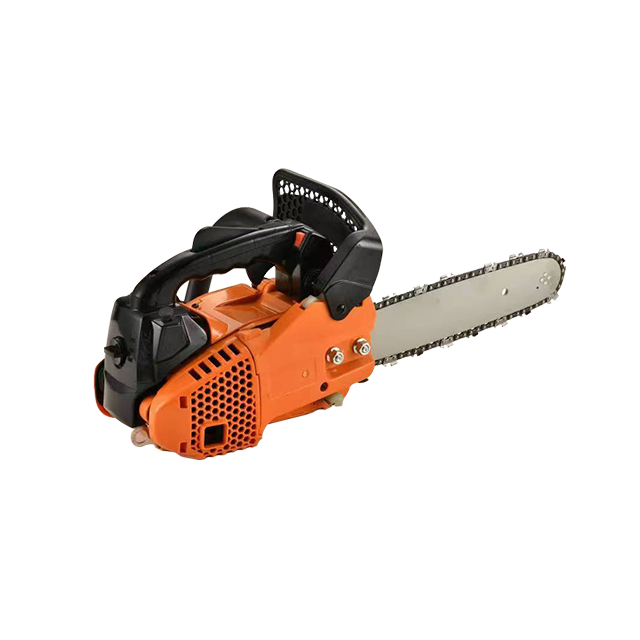
The market has seen a massive influx of affordable Chinese-manufactured 58cc clones. Brands like Vevor, Anbull, and various unbranded models dominate online marketplaces. These saws are almost universally built on the older Zenoah G5800 architecture. This open-source design is proven, simple, and highly effective. The 2.3KW engines inside these clones are genuinely capable of taking down dozens of large trees. They produce real power, sound aggressive in the cut, and pull a 20-inch chain with surprising authority.
However, the manufacturing realities differ sharply from premium brands. These generic saws often utilize lower-tolerance metallurgy. The aluminum crankcase castings might have rough edges or porosity issues. The plastic housings can feel brittle in sub-zero temperatures, making them prone to cracking if dropped. You must look past the marketing narratives found in sponsored review videos. These videos often claim the saws are perfectly reliable right out of the box. The reality is quite different. These budget imports require a mechanically inclined operator. You must be willing to turn a wrench, adjust carburetors, and replace cheap factory hardware to ensure their long-term survival.
Established brands offer 50-60cc saws designed specifically for agricultural and large property use. These are often labeled as "Farm Boss" or "Rancher" models. They bridge the gap between consumer toys and professional logging equipment. You pay a premium for these machines. In return, you receive dealer support, out-of-the-box reliability, and comprehensive warranty coverage.
When you buy a mid-tier saw from a local dealer, it comes fully assembled, fueled, and tuned. The dealer tests the saw in the woodpile before you leave the shop. If the ignition coil fails in year two, you have a physical location to handle the warranty claim. The plastics are UV-resistant, and the anti-vibration mounts use high-quality rubber or steel springs that do not degrade rapidly. You are paying for peace of mind, consistent performance, and the guarantee that the saw will start when a tree falls across your driveway.
Search intent frequently reveals users looking for a top handle powered 58cc gasoline chainsaw. We must explicitly warn against the inherent dangers of this specific configuration. Top-handle saws are specialized tools designed exclusively for in-tree arborist work. They typically feature small 25-35cc engines to keep weight manageable while the operator is hanging from a climbing harness.
A 58cc top-handle saw is excessively heavy and ergonomically dangerous. The top-handle design places your hands close together, drastically reducing your leverage over the powerhead. When a 58cc engine experiences kickback, the rotational force is violent and immediate. You cannot control a 58cc kickback event with a top-handle grip. Furthermore, using any top-handle saw for ground felling or firewood bucking is unsafe. The ergonomics force you to bend awkwardly, compromising your balance and putting your face directly in the kickback zone. Never use a high-displacement top-handle saw for general property maintenance.
The internal components dictate how long a saw will last under heavy load. Cylinder plating is a major differentiator. Premium saws use Nikasil (nickel silicon carbide) plating on the cylinder walls. Nikasil offers superior heat dissipation and incredible wear resistance, allowing the saw to run at high RPMs all day without scoring the piston. Budget 5800 clones typically use standard chrome plating. Chrome is functional but retains more heat during prolonged cutting sessions. If you push a chrome-plated cylinder too hard on a hot summer day, you risk overheating the engine and scoring the piston skirt.
Carburetion is equally critical. You need a fully adjustable carburetor to compensate for altitude changes, humidity, and temperature swings. Premium saws use genuine Walbro or Zama carburetors. Budget imports use generic clones of these designs. The clones work, but their adjustment needles are often highly sensitive. A tiny turn of the high-speed screw can drastically alter the fuel mixture. You must know how to read a spark plug and listen to the engine to tune these clone carburetors safely. Running them too lean will destroy the engine in minutes.
The chain dictates how the power reaches the wood. The standard setup for a 58cc saw is a .325-inch or 3/8-inch pitch chain. The gauge is typically .050-inch or .058-inch. A .325-inch pitch chain cuts a narrower kerf, which allows the 58cc engine to maintain higher RPMs and reduces the chance of bogging down. A 3/8-inch pitch chain takes a larger bite of wood, requiring more torque but clearing chips faster in large logs.
Chain type also matters immensely. Full chisel chains have square-cornered teeth. They cut incredibly fast in clean, green wood. However, they dull instantly if they touch dirt, rocks, or muddy bark. Semi-chisel chains have rounded corners. They cut slightly slower but hold their edge much longer in dirty wood, deadfall, or stump work. For general property cleanup, a semi-chisel chain is the smarter choice.
Chain Type | Best Application | Durability in Dirty Wood | Sharpening Difficulty |
|---|---|---|---|
Full Chisel | Clean, green timber felling | Very Poor (Dulls instantly) | Requires precise file angles |
Semi-Chisel | Firewood, deadfall, dirty bark | Excellent (Holds edge well) | Forgiving for beginners |
Skip Tooth | Bars over 24 inches | Moderate | Fastest to sharpen (fewer teeth) |
A 58cc two-stroke engine vibrates violently. Without a dampening system, this vibration transfers directly into your hands and arms. Prolonged exposure causes severe operator fatigue and can lead to Hand-Arm Vibration Syndrome (white finger) over time. Modern chainsaws separate the engine block from the handle assembly using AV mounts.
Premium saws use heavy-duty steel spring AV systems. Steel springs isolate high-frequency vibrations exceptionally well and do not degrade when exposed to spilled fuel or bar oil. Budget 5800 clones rely on solid rubber buffer mounts. Rubber buffers are stiffer and transfer more vibration to the operator. They also harden, crack, and shear off over time, especially if left sitting in sunlight or covered in corrosive sap. You will feel the difference in your forearms after an hour of cutting with rubber mounts versus steel springs.
Chainsaws operate in thick clouds of fine sawdust. If this dust enters the carburetor, it acts like sandpaper inside the engine cylinder, destroying compression. Air filtration is your only line of defense. High-end saws use centrifugal air cleaning systems. The flywheel acts as a fan, throwing heavy wood chips and dust away from the intake before they even reach the filter. This keeps the filter clean for weeks of heavy use.
Budget saws usually lack advanced centrifugal pre-cleaning. They rely entirely on the standard air filter element. Generic models often ship with simple nylon mesh filters. These block large chips but let fine dust pass straight through into the carburetor throat. You should upgrade to a flocked (felt-style) air filter immediately if you plan to cut dry, dead wood. You must clean these filters daily with compressed air or warm soapy water to maintain engine performance and prevent scoring.
You cannot pull a generic 58cc saw out of the box, fuel it up, and immediately fell a massive oak tree. These machines require a strict break-in period. During the first few heavy felling sessions, several mechanical changes occur rapidly. The piston rings need time to seat properly against the cylinder walls. Running the saw at absolute maximum load immediately can cause micro-scoring on the piston and permanently reduce engine compression.
Furthermore, new chains stretch significantly during their first hour of use as the rivets settle. If you do not monitor chain tension, the chain will jump off the bar, destroying the drive links and potentially injuring your legs. The guide bar rails also experience initial wear as they mate with the chain chassis. You must stop frequently during the first ten trees to check tension, monitor bar oil flow, and let the engine cool down. Patience during this phase dictates the lifespan of the tool.
Budget 58cc saws rarely arrive tuned for optimal performance. Factories often set the carburetors to run excessively rich (too much fuel) to ensure the engine starts easily and stays lubricated during initial factory testing. Sometimes, they arrive running dangerously lean to pass strict shipping emissions regulations. A lean engine runs hot, lacks lubrication, and will seize within minutes of hitting heavy wood.
You must tune the carburetor before cutting wood. This requires a small digital tachometer and specific splined tuning tools. You need to adjust the Low (L) screw for crisp acceleration without hesitation. You then adjust the High (H) screw to ensure the saw "four-strokes" slightly out of the cut and cleans up to a smooth two-stroke scream under load. If you do not understand two-stroke tuning, you must learn it or hire a small engine mechanic to set up your generic saw.
Vibration is the enemy of cheap hardware. Generic 5800 models are notorious for vibrating their own bolts loose during the first few hours of operation. The muffler bolts are particularly vulnerable due to extreme heat cycling and engine vibration. If the muffler falls off, the engine loses backpressure and runs lean, leading to catastrophic failure.
Before you add fuel to a budget saw, you must perform a comprehensive hardware check. Remove the muffler bolts, apply a high-temp thread locker, and reinstall them tightly. Check the casing screws, the handle mounts, the recoil starter bolts, and the felling dog bolts. Taking thirty minutes to secure the hardware on your workbench prevents frustrating and dangerous breakdowns in the woods.
Machines break in the woods. When they do, you need replacement parts quickly. The massive advantage of the 5800-series clones is their universal architecture. You can find replacement clutch drums, rim sprockets, oil pumps, and ignition coils easily online. Because dozens of brands use the exact same Zenoah-based design, parts are highly interchangeable and very inexpensive.
You also need to understand bar mount compatibility. Most 58cc generic saws utilize the standard K095 (small Husqvarna) bar mount pattern. This is excellent news. It means you can discard the cheap factory bar and install a high-quality Oregon, Sugihara, or Tsumura guide bar. Verifying the bar mount pattern allows you to tap into the massive aftermarket ecosystem of professional cutting attachments, instantly upgrading the cutting performance of a budget powerhead.
Evaluating a chainsaw requires looking past the initial purchase receipt. A generic saw might seem like an incredible bargain upfront. However, you must factor in the immediate necessary upgrades. You will likely need to buy a high-quality replacement chain, a tube of thread locker, a flocked air filter, and a set of carburetor adjustment tools. You are also investing your own time in assembly, tuning, and ongoing tightening.
If you lack mechanical skills, the frustration of a poorly tuned saw will quickly erase the initial savings. You might ruin a cylinder by running it too lean, turning the saw into a paperweight. Conversely, if you enjoy tinkering and understand small engines, the maintenance demands are trivial. You can keep a generic 58cc saw running for years with minimal financial input, making it a highly effective solution for property maintenance.
When searching for a 58cc gasoline chainsaw for forest applications, you must define your workload. Budget models have strict limits in commercial forestry. They are not designed to run eight hours a day, five days a week. The rubber AV mounts will fail, the plastic chain brake flags may crack under impact, and the generic crank bearings will eventually surrender to the continuous load.
You must establish clear criteria for upgrading to professional-grade equipment. If you cut more than five cords of firewood a year, you need a pro saw. If you operate a commercial tree service, you need a pro saw. Commercial operations demand OSHA-compliant chain brakes, captive bar nuts, magnesium crankcases, and auto-tuning carburetors. Budget 58cc saws are excellent backup tools for professionals to keep in the truck, but they should not serve as the primary felling saw on a commercial logging site.
Verify your saw's specific bar-mount pattern (such as K095) before ordering replacement chains or upgraded guide bars.
Apply high-temperature thread locker to all critical fasteners, specifically the muffler bolts and casing screws, before starting the engine.
Acquire a digital tachometer and a set of splined carburetor tuning tools to properly set the high and low fuel mixtures.
Upgrade the factory air filter to a flocked version if you plan on cutting dry, dead timber that produces fine dust.
A: A 20-inch bar can safely fell trees up to 36 inches in diameter using proper double-cutting techniques from both sides of the trunk. However, the optimal continuous working range for a 58cc engine is processing wood between 16 and 20 inches in diameter. Pushing it constantly on massive timber will accelerate engine wear.
A: The number 5800 refers to the engine architecture. It indicates the saw is built on a clone of the 58cc Zenoah G5800 design. Because so many generic brands use this exact same open-source blueprint, replacement parts like carburetors, clutches, and ignition coils are highly interchangeable across different budget brands.
A: Yes, a 58cc saw with a 20-inch bar is generally too heavy and powerful for absolute beginners. The rotational force during a kickback event is severe. Beginners should start with a smaller, lighter 35-40cc saw with a 14-inch or 16-inch bar to learn proper felling techniques and body positioning safely.
A: Budget saws are often factory-set to run excessively rich or lean to comply with international shipping emissions regulations. Furthermore, carburetors must be adjusted to match your specific local altitude and temperature. Running a generic factory preset can cause the engine to bog down or run too hot and seize.
A: Yes, as long as the replacement bar matches the saw's mount pattern. Installing a shorter 18-inch bar reduces friction, which increases engine RPM and chain speed. This makes the saw lighter and much faster for limbing branches and cutting smaller diameter firewood.
A: No. Top-handle saws are designed exclusively for trained arborists working up in trees. A 58cc top-handle saw is excessively heavy and highly prone to violent kickback. The handle placement provides terrible leverage for ground felling, making it ergonomically unsafe for bucking firewood or dropping standing timber.
A: Most 58cc chainsaws require a 40:1 or 50:1 ratio of gasoline to 2-stroke oil. Always check your specific manual. You must use high-octane, ethanol-free gasoline mixed with a premium synthetic 2-stroke oil. Ethanol attracts moisture and will quickly degrade the fuel lines and carburetor diaphragms in budget saws.


